
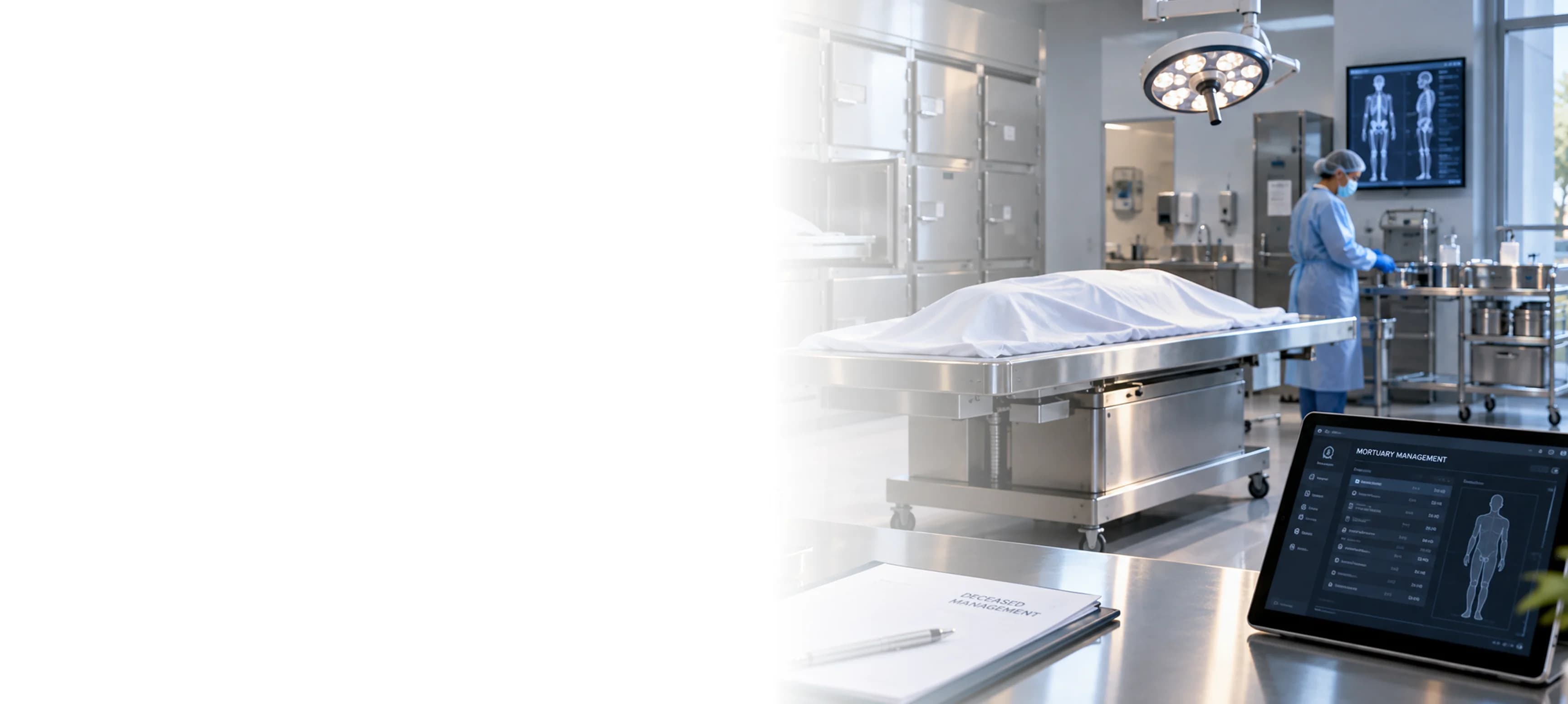
Modern Mortuaries Need More Than Modern Equipment.
SEVA brings together mortuary infrastructure, specialised equipment and supporting systems to create safer, more efficient and dignified environments for deceased care and post-mortem examination.
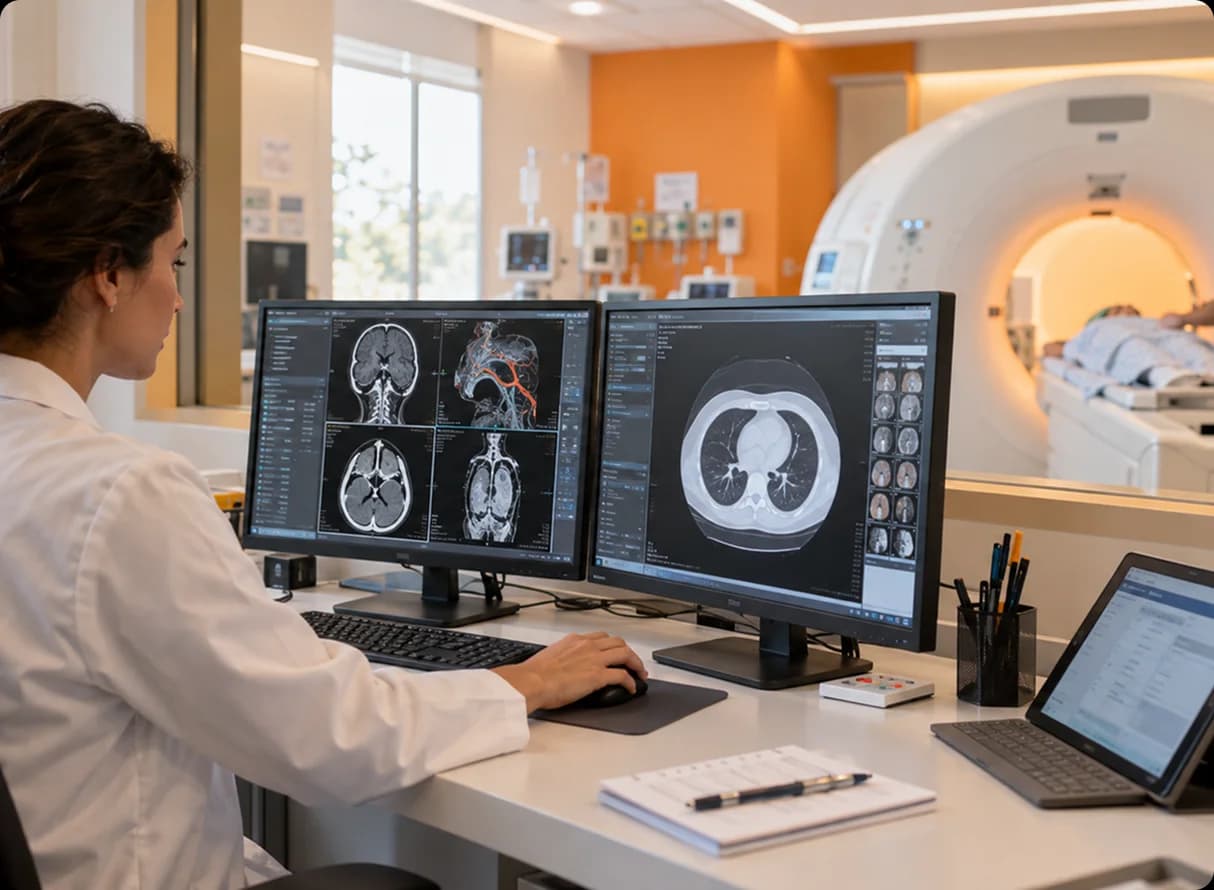
Designed Around the Complete Mortuary Workflow
A mortuary is not simply a cold-storage facility or an examination room. Moving the deceased through the facility involves multiple connected requirements, from receipt and transfer to preservation, examination, preparation, identification, evidence handling, and eventual release.
SEVA approaches mortuary modernisation around this complete workflow. Equipment, room infrastructure and supporting systems are planned to work together, taking into account the facility, its capacity, movement patterns, utilities and operational requirements.
A Complete Mortuary Solution
Examination workstations designed for modern post-mortem environments include fixed, height-adjustable, downdraft and rotating autopsy tables. Supporting mortuary equipment can include organ cutting tables, autopsy saws with vacuum extraction, post-mortem and organ scales, supports and instrument trays.
Reliable mortuary refrigeration is fundamental to the preservation of the deceased and the effective operation of a mortuary facility. SEVA's mortuary refrigeration solutions can be configured around the capacity and operating requirements of the institution. The range includes individual and multi-body mortuary refrigerators as well as project-specific walk-in mortuary cold rooms, with options for different capacities, storage configurations and monitoring requirements.
The appropriate refrigeration configuration depends on factors such as expected capacity, available space, facility workflow, storage requirements and supporting infrastructure.
Safe movement within a mortuary requires body handling systems designed around the complete transfer route. SEVA provides body trays, storage racks, transport trolleys and hydraulic or battery-powered lifting systems that can be configured to work together within the facility workflow. Planning these systems alongside refrigeration, examination and preparation areas can help reduce unnecessary manual handling and create smoother movement through the facility.
Mortuary environments demand careful attention to hygiene, drainage, cleaning and everyday usability. Solutions include preparation and embalming tables, cadaver washing tables, organ workstations, scales, supports, stainless-steel furniture, sink stations, instrument and waste trolleys, wash basins and hygiene accessories.
The mortuary workflow often extends into evidence and specimen management. SEVA's wider solution scope can include evidence collection and drying cabinets, specimen preservation, refrigerated sample storage, DNA sample refrigeration, microscopy, laboratory workstations, portable X-ray, forensic photography and supporting sample-processing areas.
Modern mortuary management also depends on knowing who entered the facility, where a body or specimen is, and how information is documented. Supporting digital systems can include RFID and barcode identification, digital documentation, audit-oriented workflows, access control and alarms.
These technologies can support better visibility and traceability within the mortuary workflow without treating a “mortuary management system” as a single standalone technology.
Mortuary Infrastructure Matters as Much as the Equipment
Choosing an autopsy table or refrigerator is only one part of building an effective mortuary. Room dimensions, transfer routes, plumbing, drainage, electrical supply, ventilation and exhaust, backup power, storage capacity and staffing can all influence how the facility ultimately performs. That is why SEVA looks at the mortuary as a working environment rather than a collection of individual products.
The equipment catalogue itself identifies architectural, plumbing, mechanical, electrical, operational and documentation requirements as part of project coordination.
Designed Around Four Practical Priorities
Hygiene
Easy-clean surfaces, appropriate materials and designs that support efficient cleaning and disinfection.

Ergonomics
Easy-clean surfaces, appropriate materials and designs that support efficient cleaning and disinfection.
Integration
Planning around water, drainage, electrical, exhaust, alarm and other facility interfaces.
Configurability
Capacity, dimensions, accessories and finishes selected around the actual facility, workflow and project requirements.
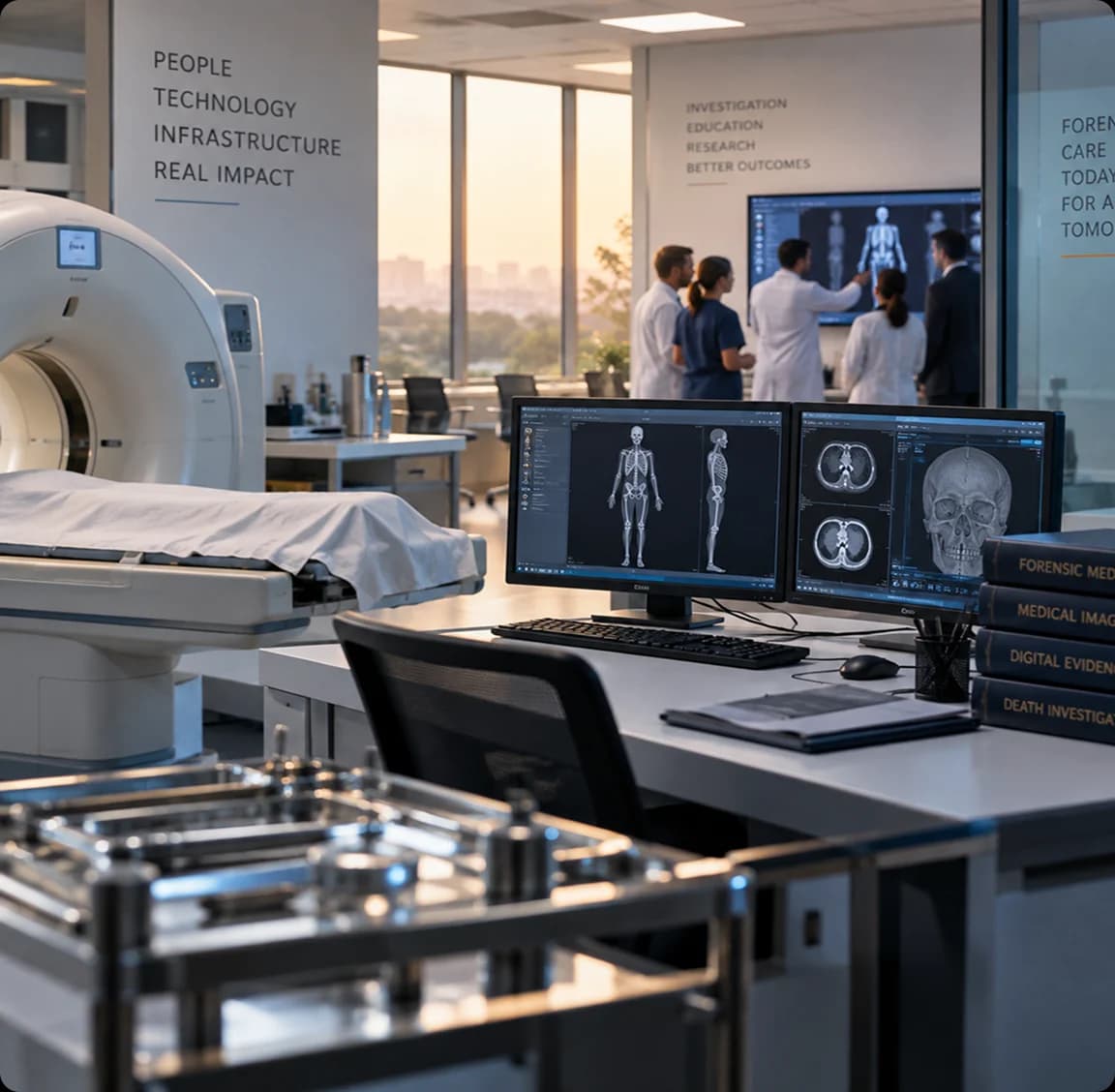
From Individual Mortuary Equipment to Turn key Mortuary Solutions
Some institutions may need a specific piece of mortuary equipment. Others may be setting up a new mortuary or modernising an existing facility.
SEVA can support both requirements, with solutions ranging from individual mortuary equipment to coordinated infrastructure involving refrigeration and cold storage, autopsy and preparation areas, body handling, forensic support, room systems and associated project requirements.
For institutions requiring an integrated approach, these capabilities can be brought together as turnkey mortuary solutions planned around the facility, required capacity and operational workflow. Installation, commissioning and user training can also form part of the offering.
Supporting Dignified Deceased Management
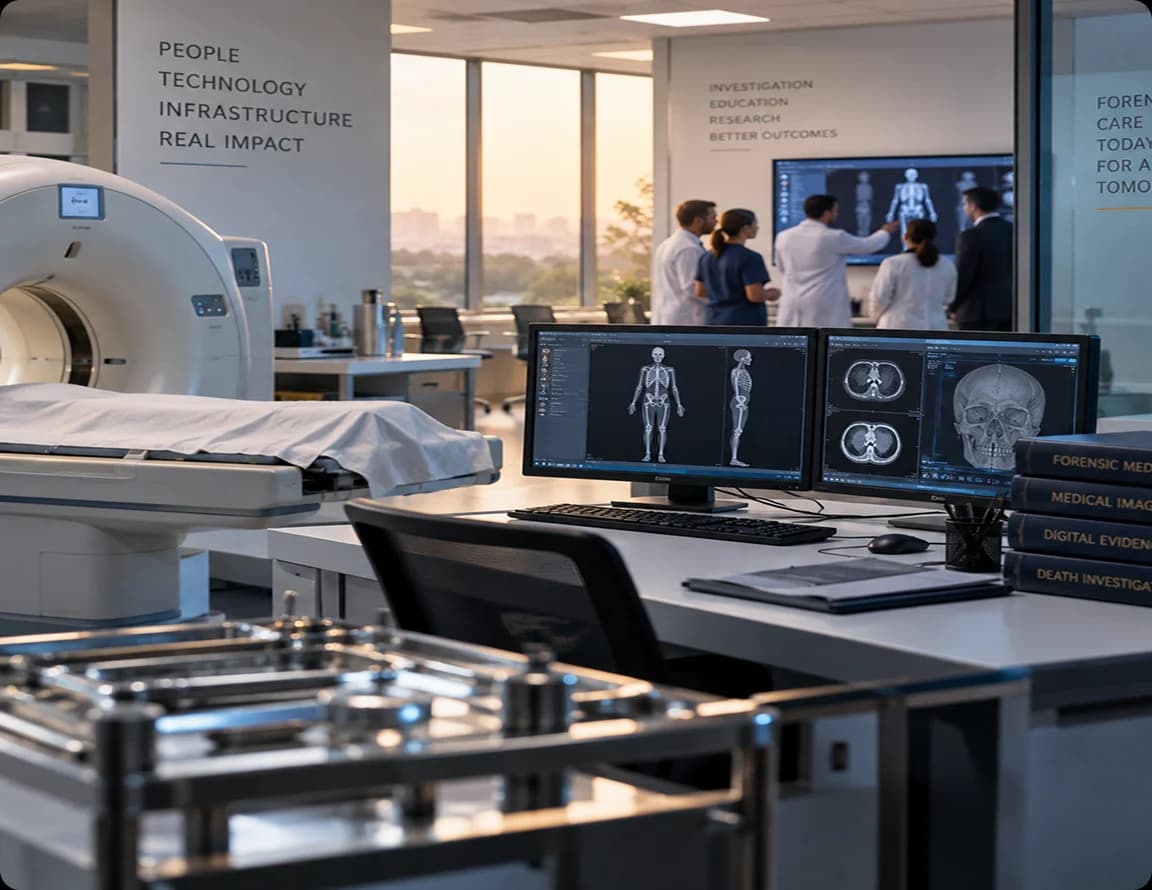
Technology and infrastructure are important, but the purpose of a mortuary extends beyond equipment. Every element of the environment, from preservation and identification to movement, examination and eventual release, needs to support the safe and respectful management of the deceased.
SEVA's approach to deceased management solutions therefore considers how equipment, infrastructure and workflows can work together to support operational requirements while maintaining dignity throughout the process.
Who We Work With
SEVA's mortuary solutions and deceased management capabilities are designed for institutions responsible for post-mortem examination, preservation and dignified deceased management.
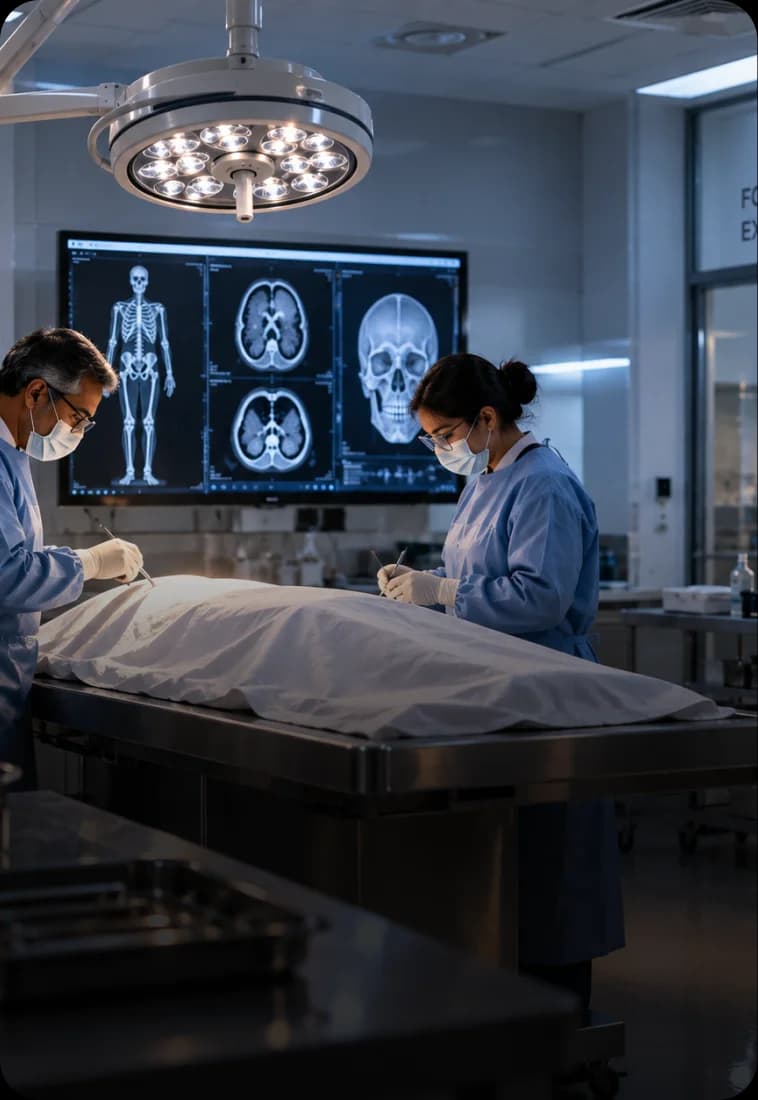
Examination
Virtual Autopsy, imaging and digital forensic workflows
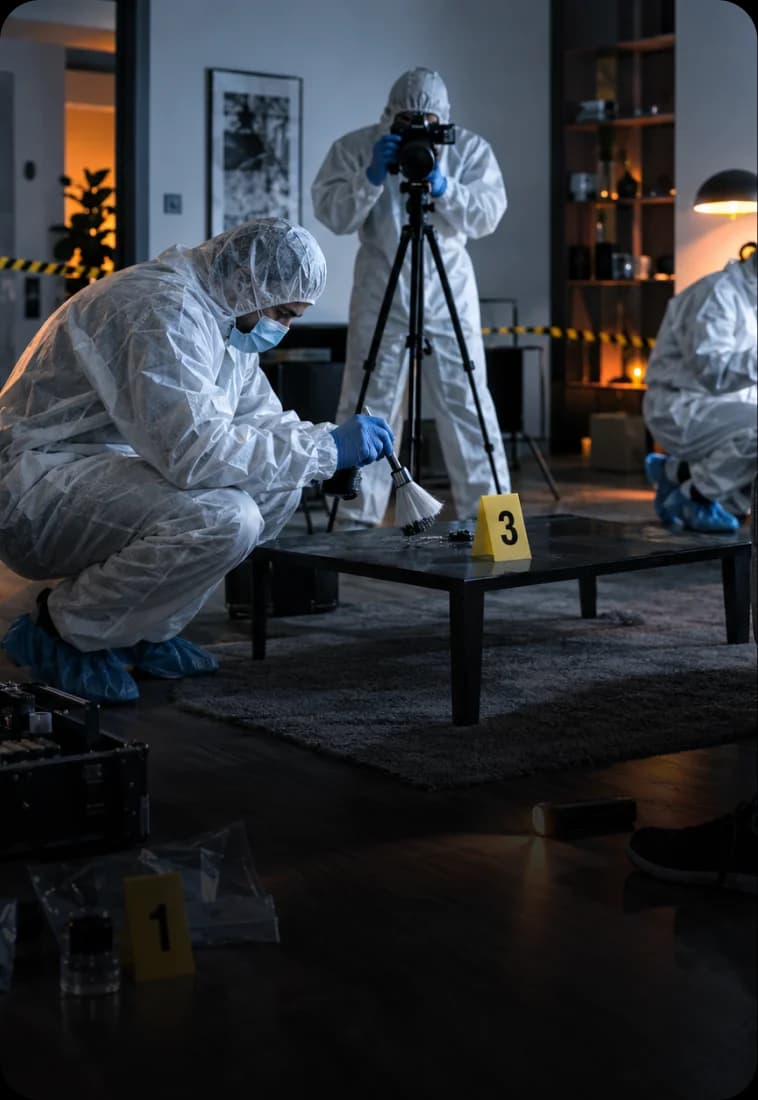
Crime Scene
Investigation tools, equipment and forensic science requirements
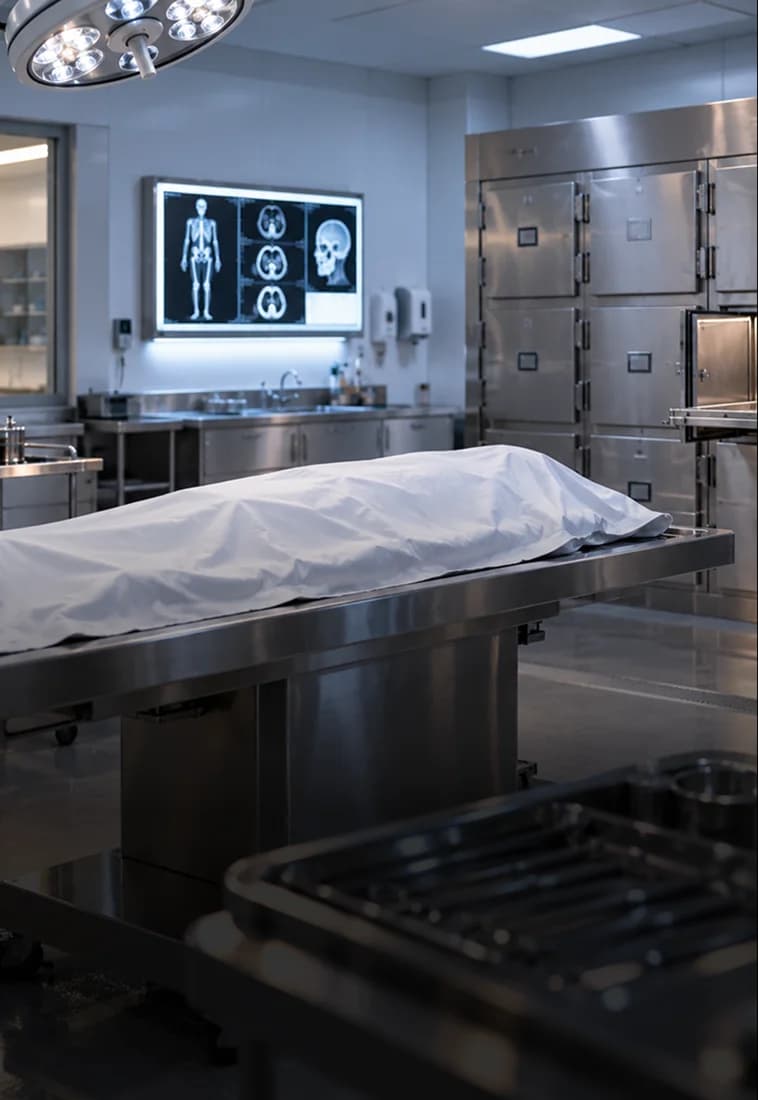
Mortuary
Infrastructure, systems and deceased management
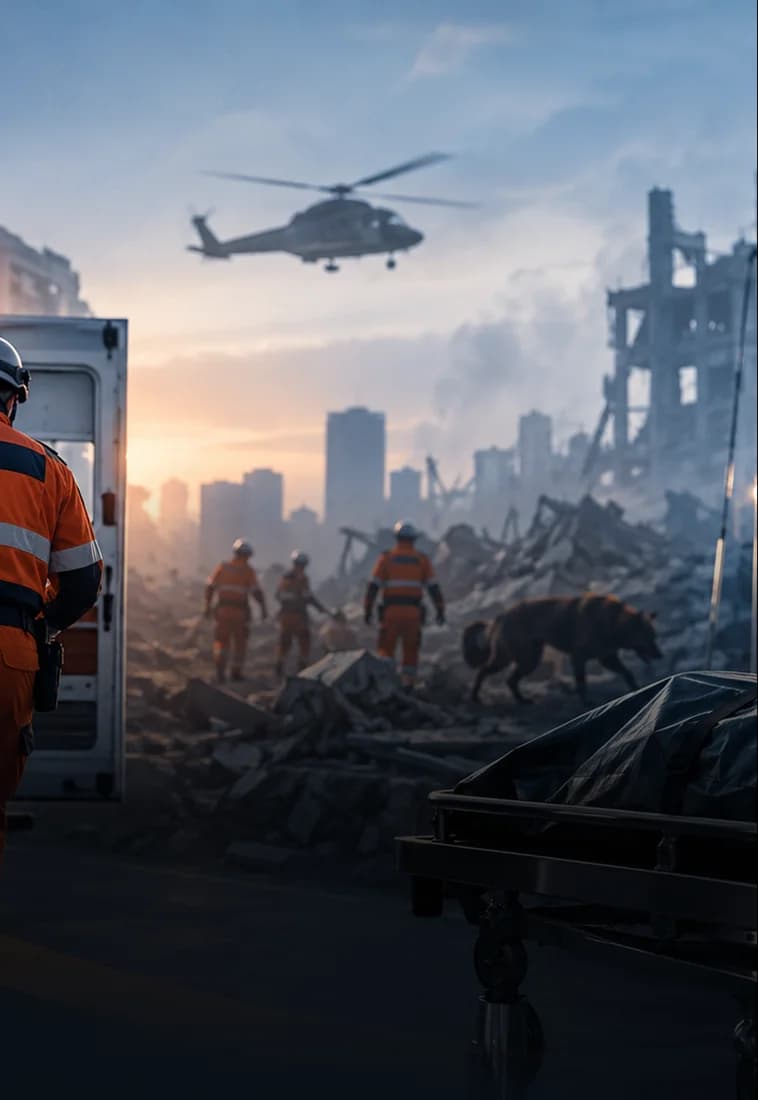
Emergency & Disaster
Response, DVI, mass-fatality management and family assistance
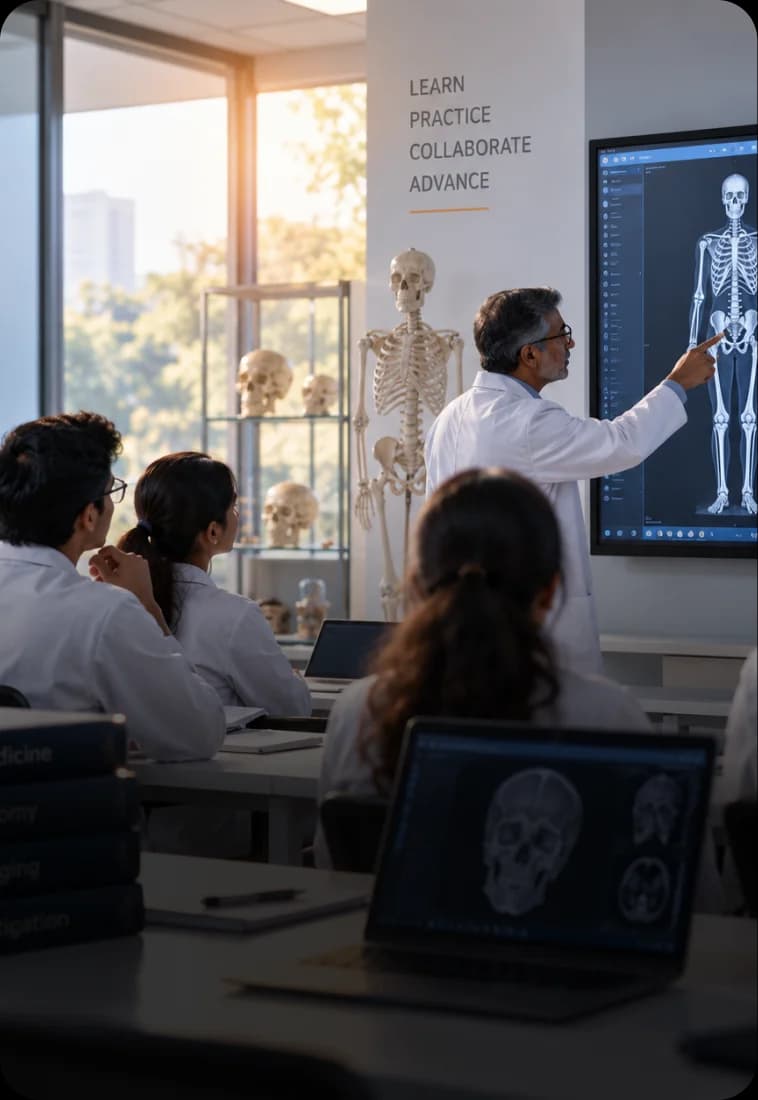
Education
Training, workshops and capability development
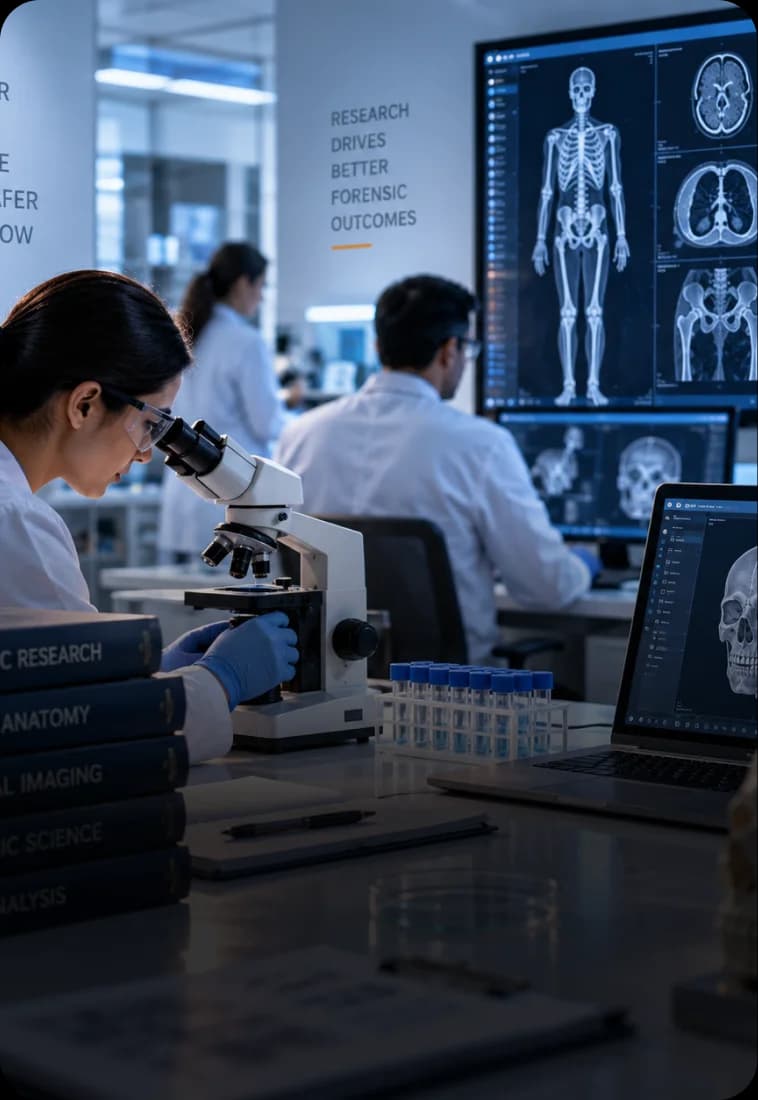
Research
Tools and technology for advancing forensic knowledge
Examination
Virtual Autopsy, imaging and digital forensic workflows
Crime Scene
Investigation tools, equipment and forensic science requirements
Mortuary
Infrastructure, systems and deceased management
Emergency & Disaster
Response, DVI, mass-fatality management and family assistance
Education
Training, workshops and capability development
Research
Tools and technology for advancing forensic knowledge
Frequently Asked Questions Mortuary Solutions

Planning a New Mortuary or Modernising an Existing One?
Talk to SEVA about the mortuary solutions, refrigeration, equipment, infrastructure and deceased management requirements your facility needs to support.
DISCUSS YOUR REQUIREMENT