
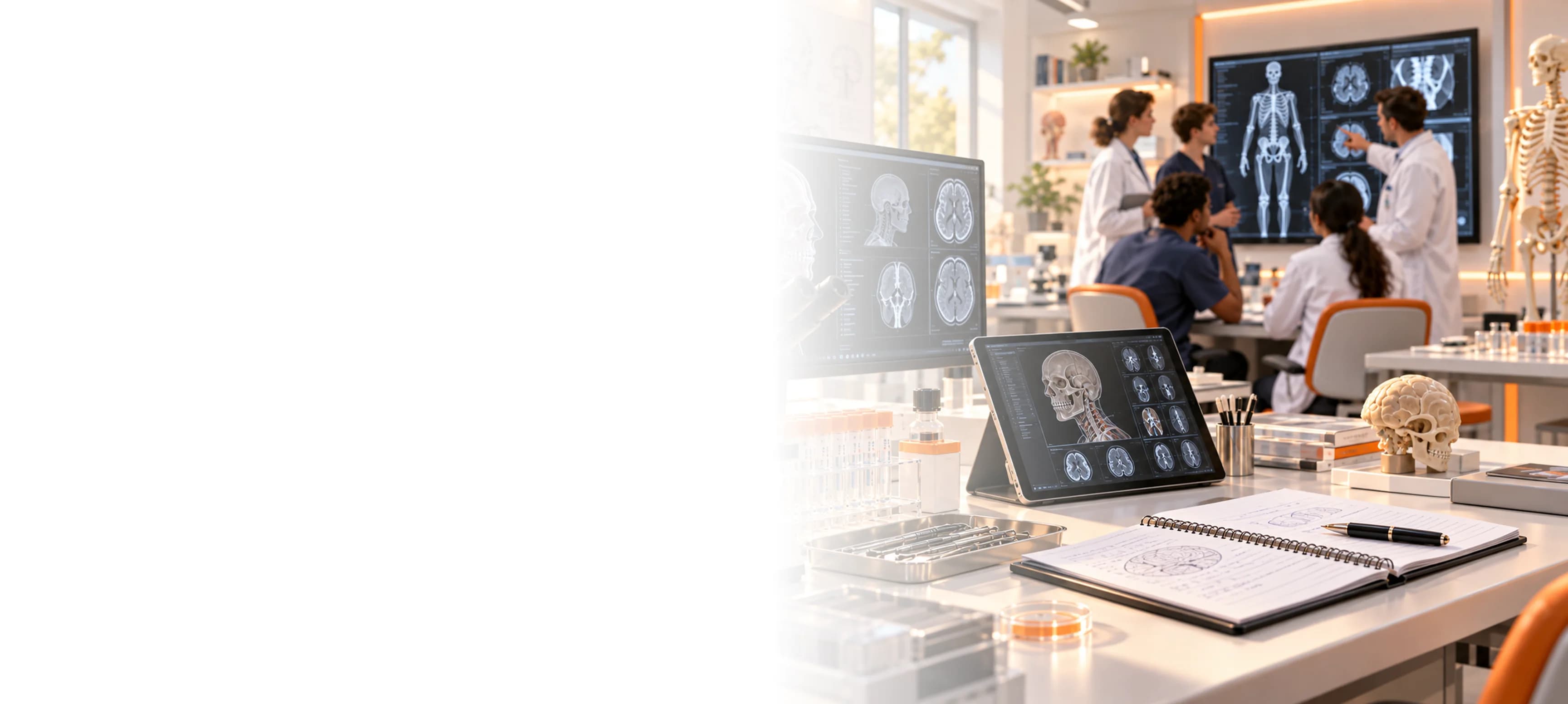
Technology, Training and Research for Better Forensic Learning
SEVA supports institutions with state-of-the-art training environments and research facilities to advance the science and practice of forensic medicine and investigation.
As technologies such as medical imaging, digital workflows and artificial intelligence in forensic science continue to develop, education and research play an important role in understanding where these technologies can add meaningful value to forensic practice.
Forensic Education Needs Greater Exposure to Real-World Practice
Forensic science is learnt in the classroom, but much of its understanding develops through exposure to actual cases, findings, imaging and investigative methods. That exposure is not always easy to provide consistently. Case availability varies. Access to cadavers can be limited. New technologies continue to enter forensic practice, while students and professionals need opportunities to understand how they are actually used.
SEVA's Education & Research offering addresses this gap through forensic learning technology, practical workshops, structured forensic training and research support. The objective is to give students, faculty, professionals and researchers more opportunities to examine, practise, discuss and learn from forensic cases and technologies.
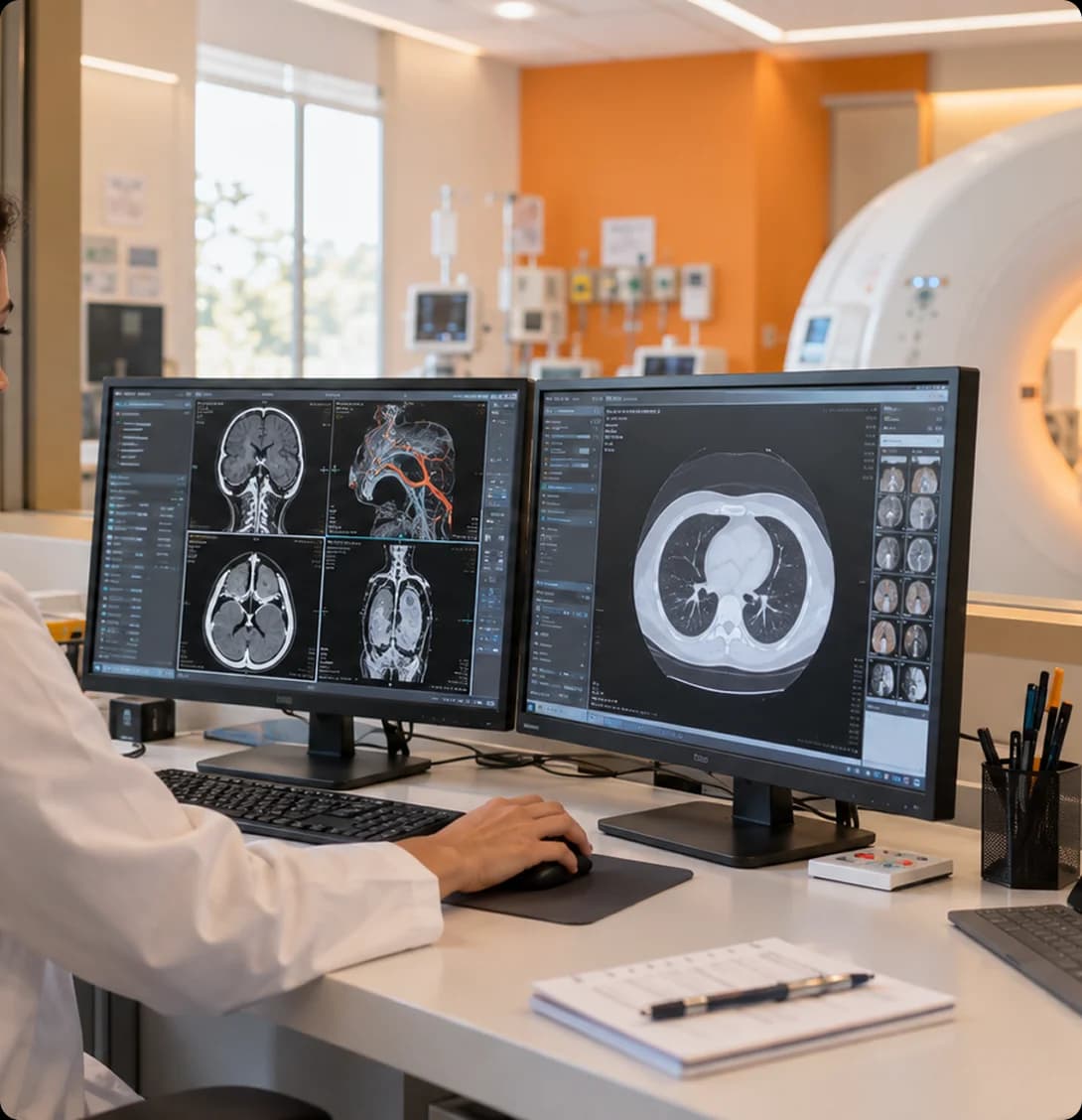
Milagro® Makes Forensic Cases Available for Learning Beyond the Examination Room
Making Forensic Cases Available for Learning Beyond the Examination Room
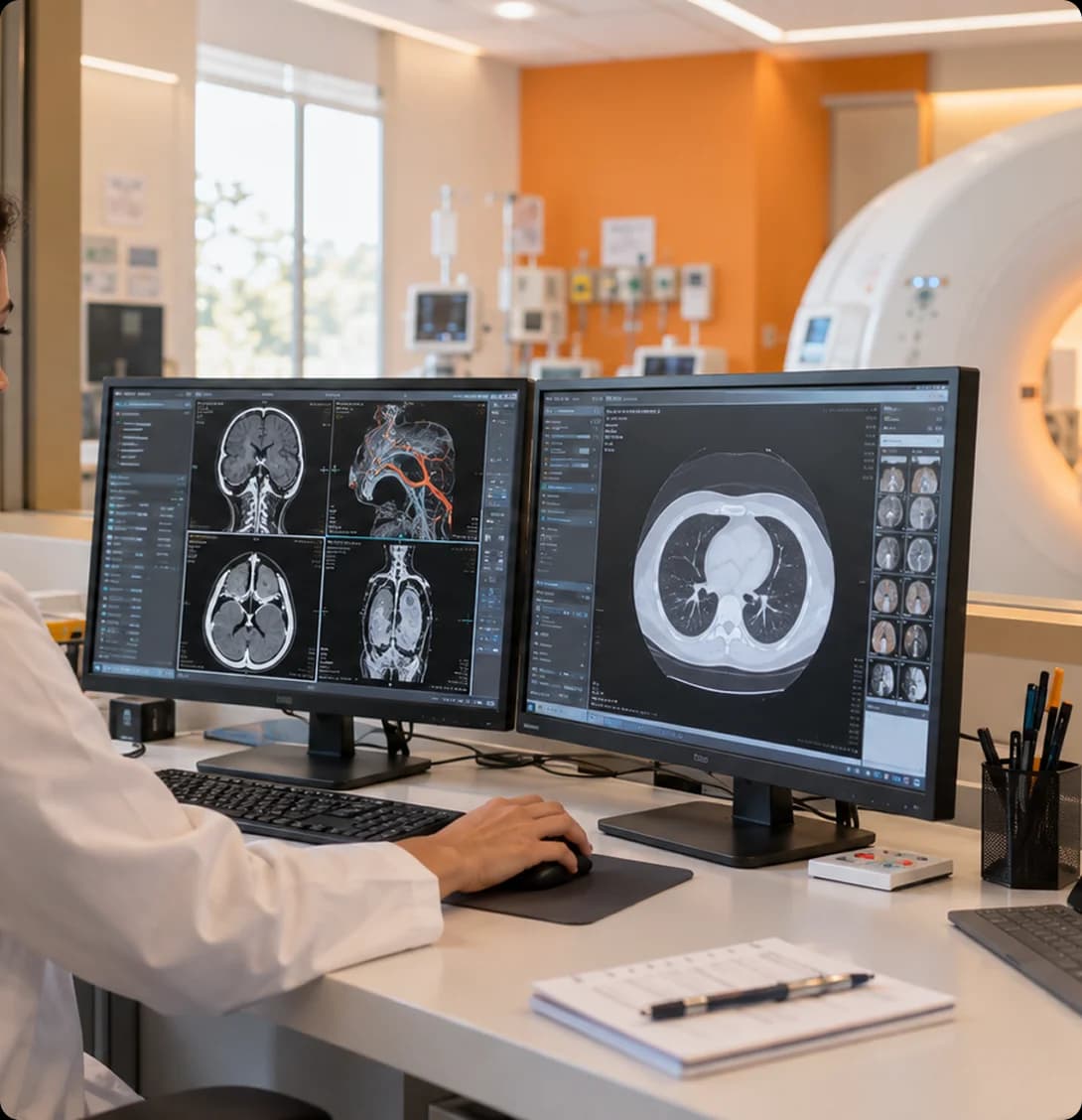
Real cases can be some of the most valuable teaching resources in forensic education. Milagro® helps institutions use digital imaging datasets and forensic scenarios as part of that learning process. Students, faculty, trainees and researchers can explore medical imaging data through advanced visualisation, examine findings in greater detail and revisit the same datasets whenever required.
This reduces dependence on the availability of a particular case or cadaver and allows important findings to be used repeatedly for teaching and discussion. As a digital forensic learning platform, Milagro® can support learning across anatomy, radiology, forensic medicine and post-mortem imaging, making it relevant to both foundational education and more specialised forensic training.
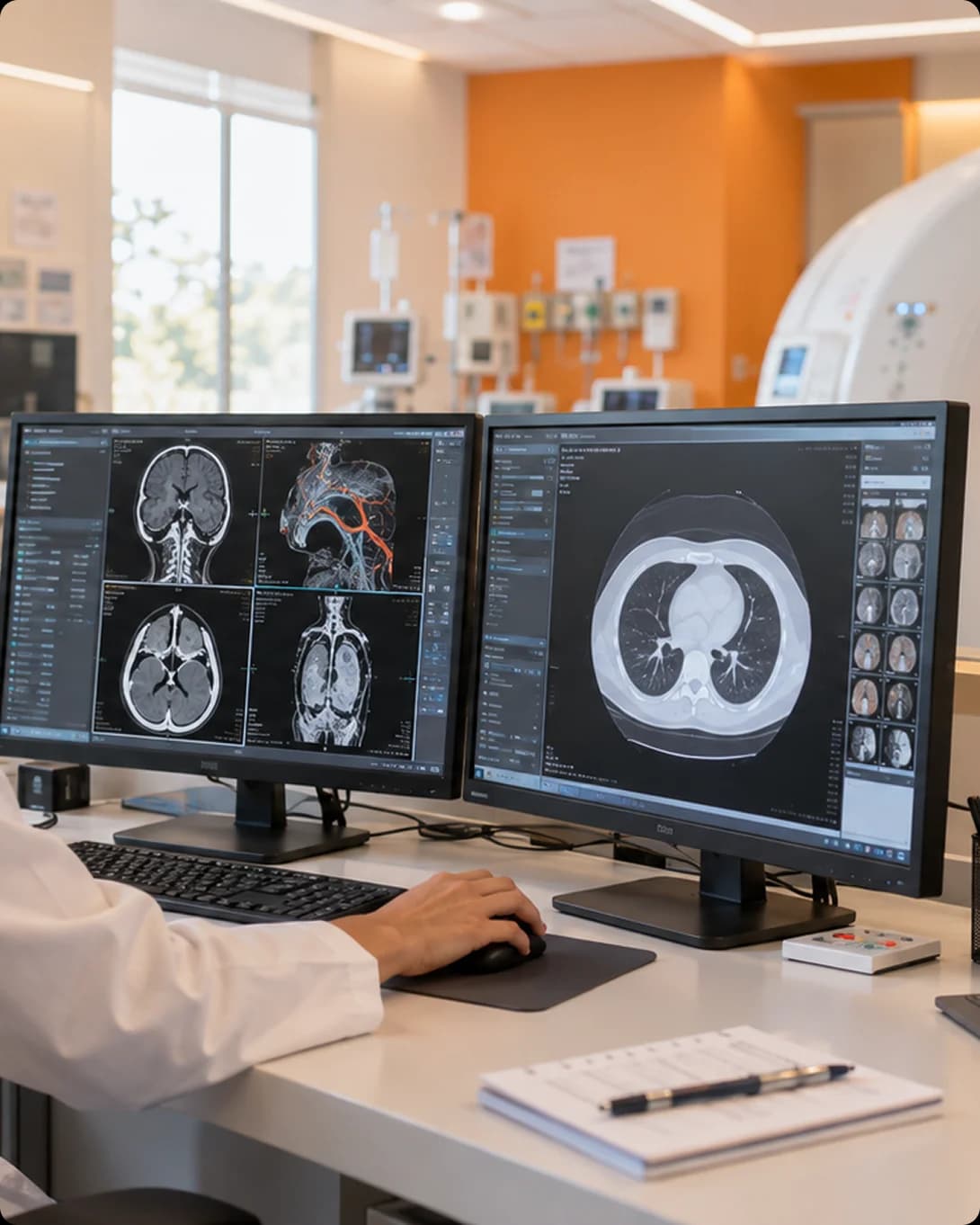
What Milagro® can support
Students and trainees can work with imaging datasets and forensic scenarios rather than relying only on textbook examples.
Medical imaging data can be examined interactively to develop a better understanding of anatomical structures and forensic findings.
Faculty can use common datasets for demonstrations, classroom discussions and review.
The same case can be revisited by different learners and used across multiple teaching sessions.
Digitally preserved datasets can support deeper examination and case-based academic study.
Practical Forensic Training Helps Close the Gap Between Knowledge and Application
Understanding forensic technology in theory is different from knowing how and where to use it. SEVA conducts forensic workshops and training programs that give students, faculty and forensic professionals practical exposure to emerging forensic technologies, methods and their applications. Depending on the subject and audience, programs can include expert-led sessions, technology demonstrations, case discussions and practical learning.
Training can also accompany the implementation of SEVA solutions so that institutional teams develop the knowledge required to use newly introduced capabilities effectively. SEVA is also developing a structured hybrid forensic training program that will combine guided learning with digital and practical components. This is intended to make systematic forensic training available beyond one-time workshops while retaining interaction with experts and exposure to practical applications.
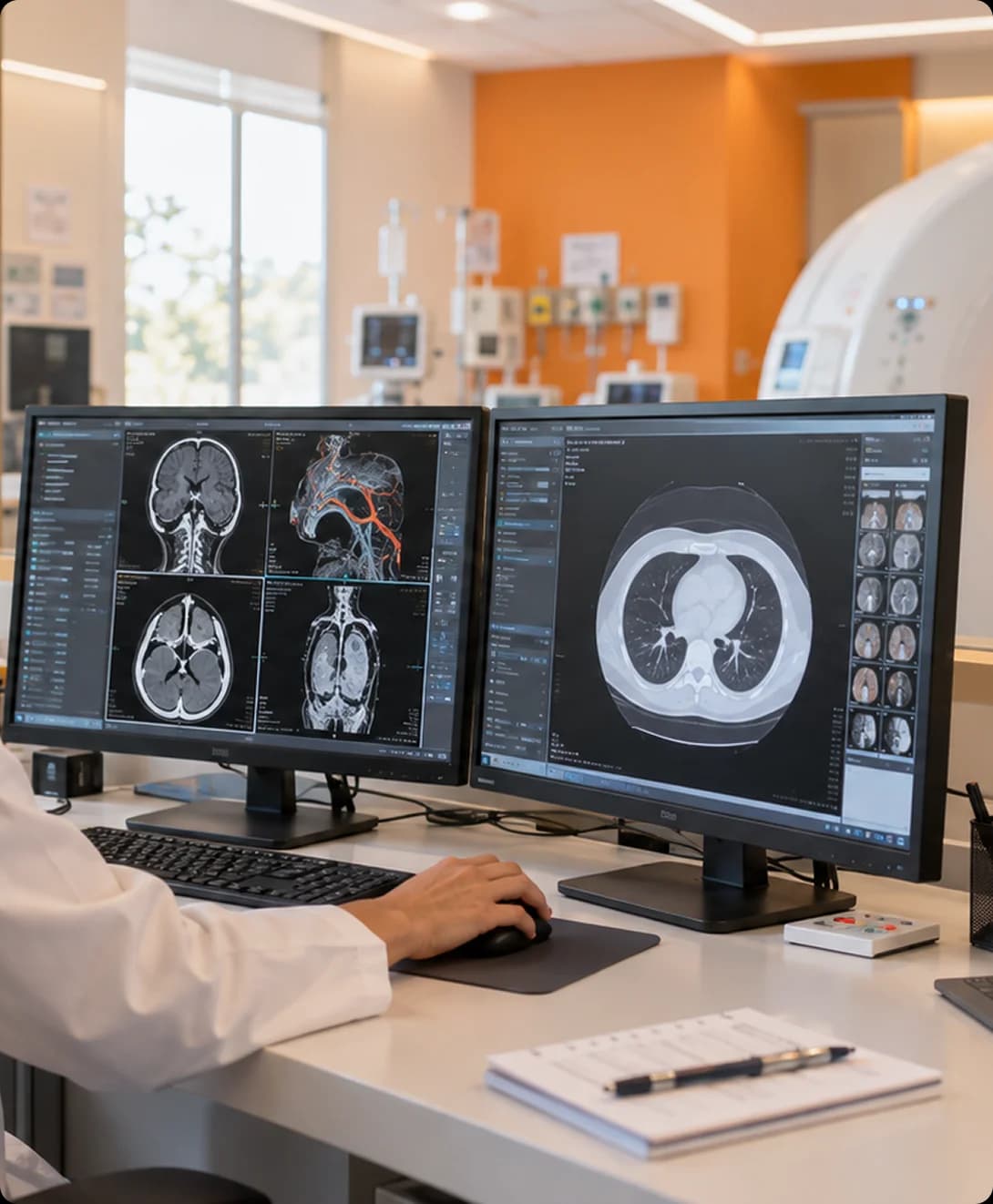
Building Forensic Training Around Different Learning Needs
Effective forensic education and training cannot rely on a single format. Forensic workshops can introduce learners to new technologies and applications. Practical sessions can provide exposure to how those technologies are used. Digital learning can make cases available beyond a single classroom or training session.
By combining these approaches, institutions can create forensic training opportunities that extend beyond one-time exposure and support continued professional and academic learning. For institutions looking to strengthen forensic training in India, this approach can help connect classroom knowledge with technologies and practices relevant to contemporary forensic environments.
Digital Case Records Can Become Valuable Resources for Forensic Research
A forensic case does not necessarily stop being useful once the investigation is complete. When imaging, findings and case information are preserved digitally, appropriate datasets can potentially be revisited for retrospective analysis, comparison, teaching and forensic research. This gives medical colleges, forensic departments and research institutions an opportunity to develop case-based resources that grow over time.
Researchers may be able to study recurring patterns, compare findings across cases, examine particular injuries or pathologies and use selected datasets for academic enquiry. Faculty can use relevant cases in teaching, while students gain exposure to a broader range of findings than may be available during a particular academic term.
SEVA's wider Virtual Autopsy ecosystem already supports structured reporting and secure preservation of digital evidence for subsequent review and consultation.
Forensic Knowledge Should Remain With the Institution
A great deal of forensic knowledge traditionally resides in individual experience. A faculty member, radiologist or forensic expert may encounter an important case, but opportunities for future students or researchers to learn from the same case can be limited. Digital preservation can change that.
Subject to appropriate institutional protocols, permissions and anonymisation, selected case datasets can contribute to an organised academic resource that remains available for future teaching, discussion and forensic research. Over time, this can help institutions build their own body of case-based knowledge instead of depending entirely on the cases available at a particular moment.
Forensic Education Can Reflect the Technologies Used in Modern Practice
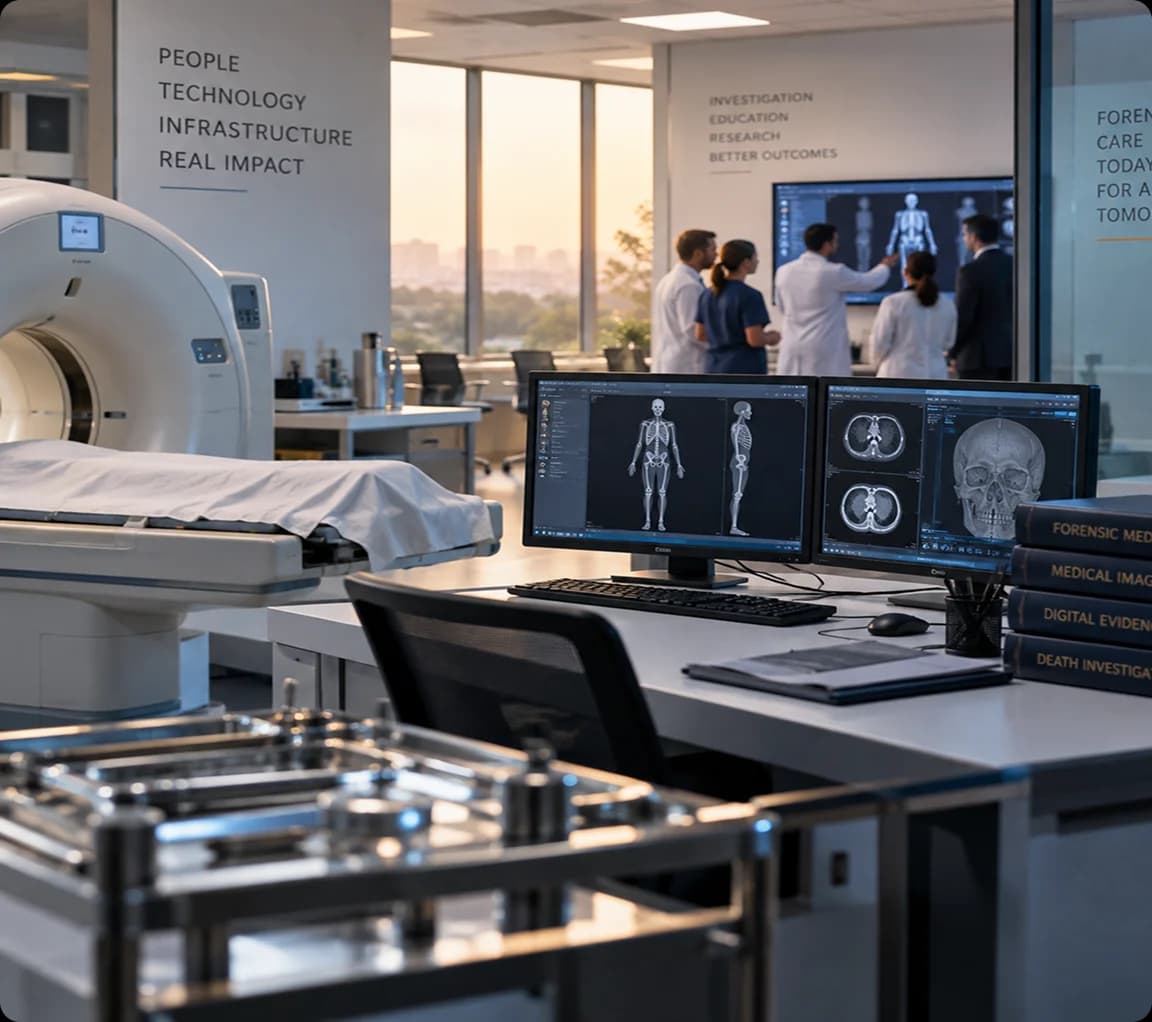
SEVA's broader forensic ecosystem allows education and training to connect with technologies and workflows that professionals may encounter in actual practice. Learning can extend across anatomy and radiology, forensic imaging, Virtual Autopsy, digital documentation, structured reporting and case review.
The existing SEVA training ecosystem already combines anatomy, radiology, forensic medicine and post-mortem imaging, with learning components intended for students, faculty, researchers and healthcare professionals. This helps institutions create a closer relationship between what is taught, what is practised and what can subsequently be researched.
Different Learners Need Different Levels of Exposure
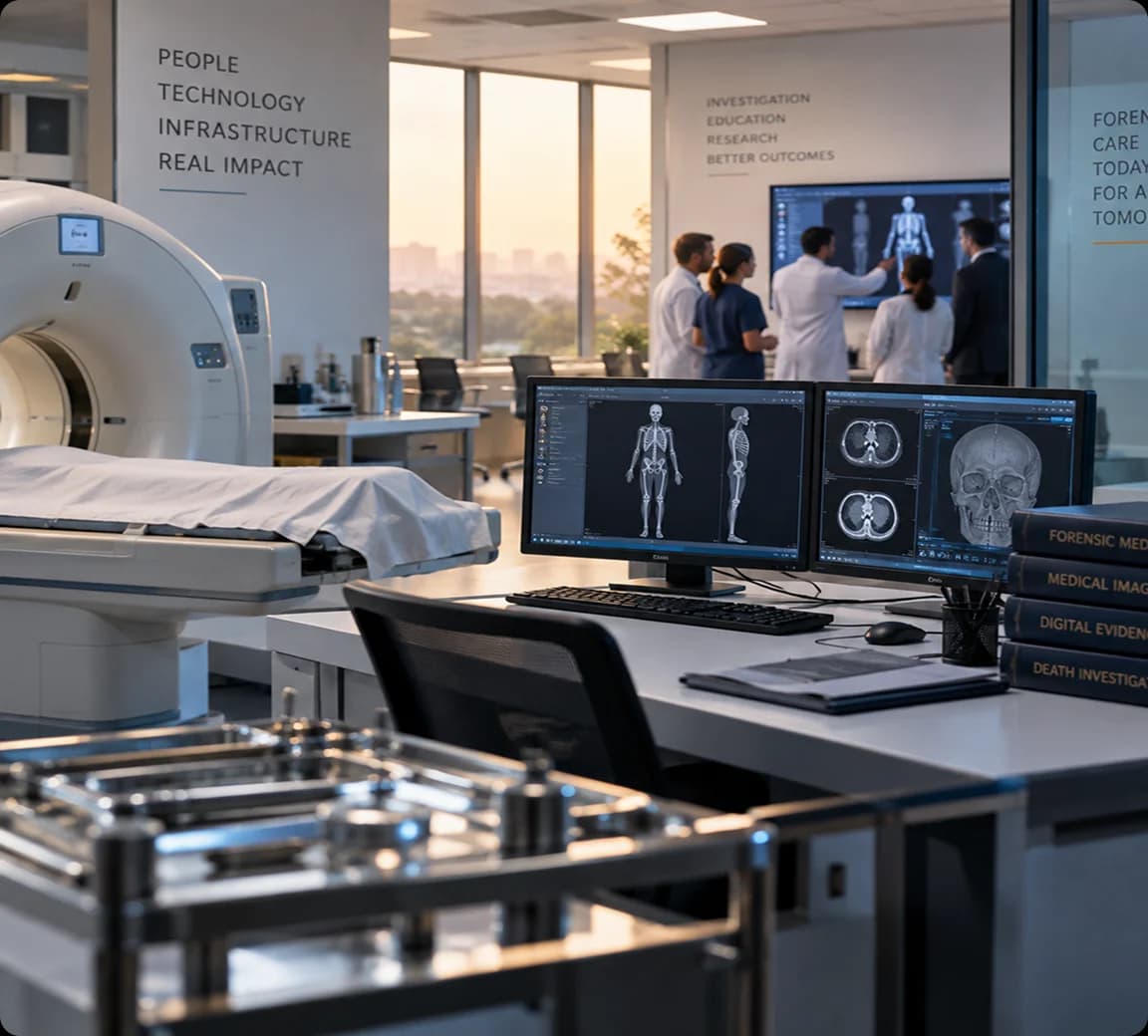
The same forensic education model cannot serve everyone equally. Students need opportunities to understand concepts through cases, imaging and practical application. Faculty need teaching resources that help demonstrate findings and encourage discussion. Forensic professionals need continuing exposure to evolving technologies, techniques and applications.
Researchers need tools and appropriate datasets that support deeper academic enquiry. Institutions require forensic education, training and research capabilities that can be developed systematically rather than depending entirely on individual programs or faculty members. SEVA's Education & Research offering is designed to support these different requirements within a broader institutional framework.
Stronger Forensic Capability Depends on Continuous Learning
A workshop can introduce a new technique. A forensic learning platform can make cases more accessible. A preserved dataset can support research years after the original examination. The greater opportunity lies in bringing these elements together so that learning continues beyond an individual class, workshop or case.
SEVA works with institutions to strengthen this capability through forensic education technology, practical training and tools that support forensic research.
Who We Work With
SEVA's mortuary solutions and deceased management capabilities are designed for institutions responsible for post-mortem examination, preservation and dignified deceased management.
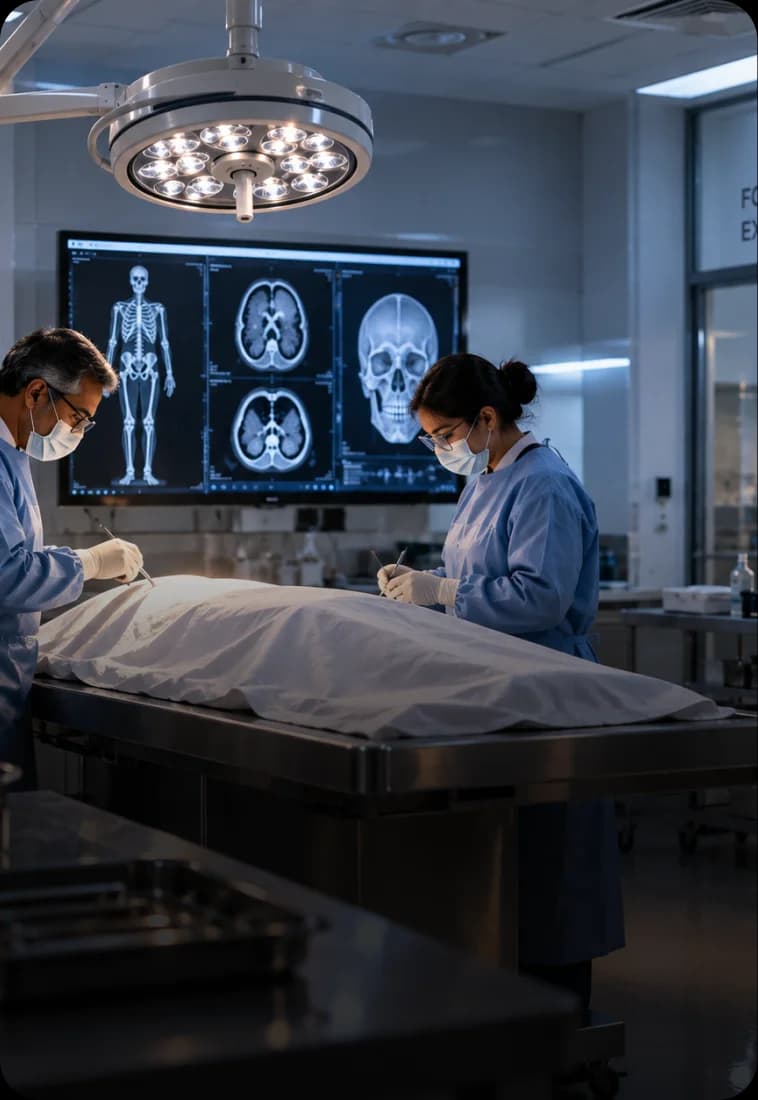
Examination
Virtual Autopsy, imaging and digital forensic workflows
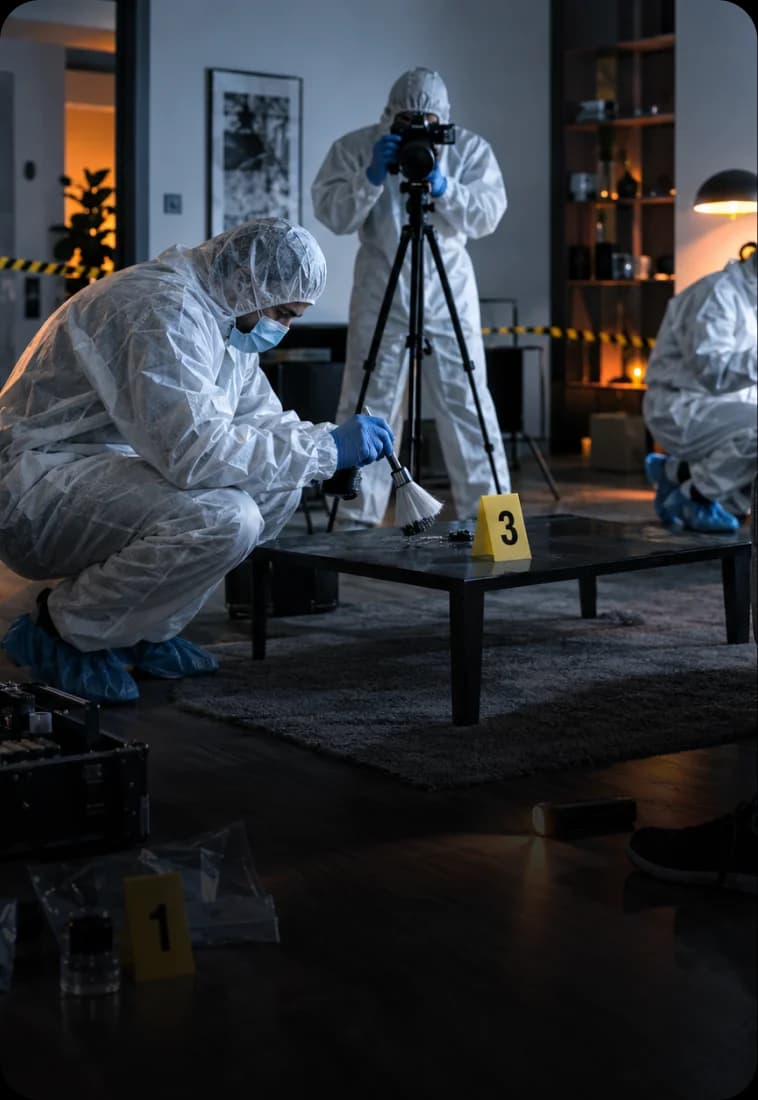
Crime Scene
Investigation tools, equipment and forensic science requirements
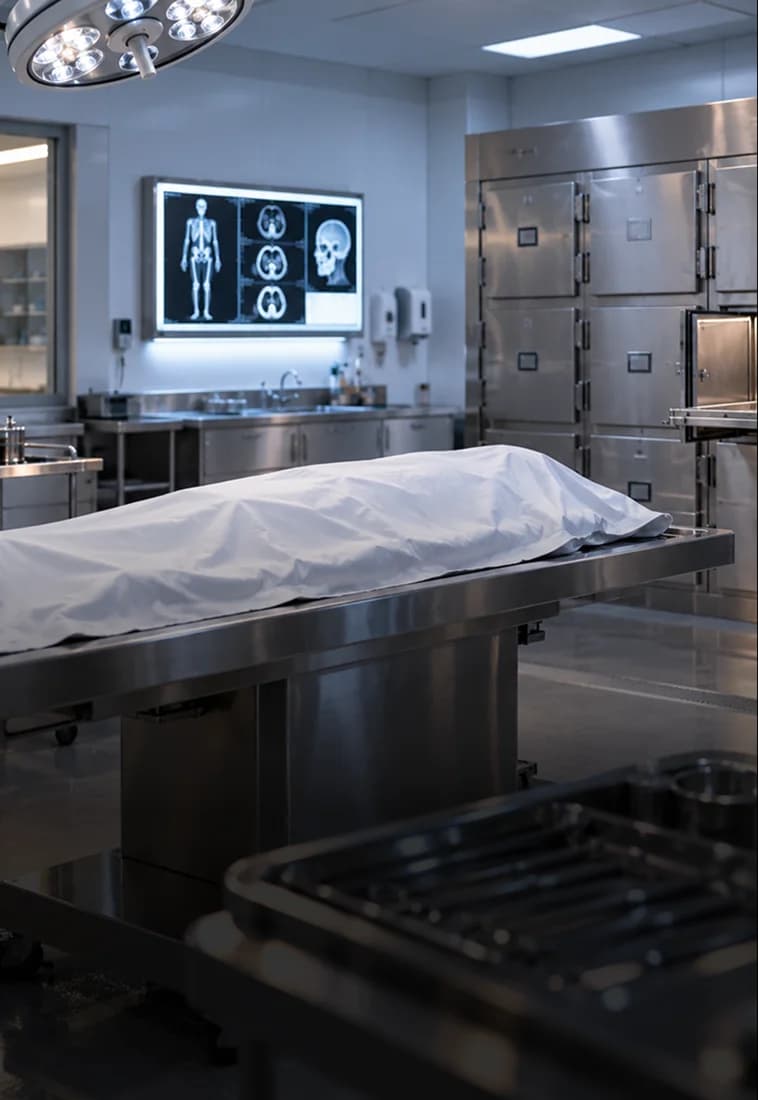
Mortuary
Infrastructure, systems and deceased management
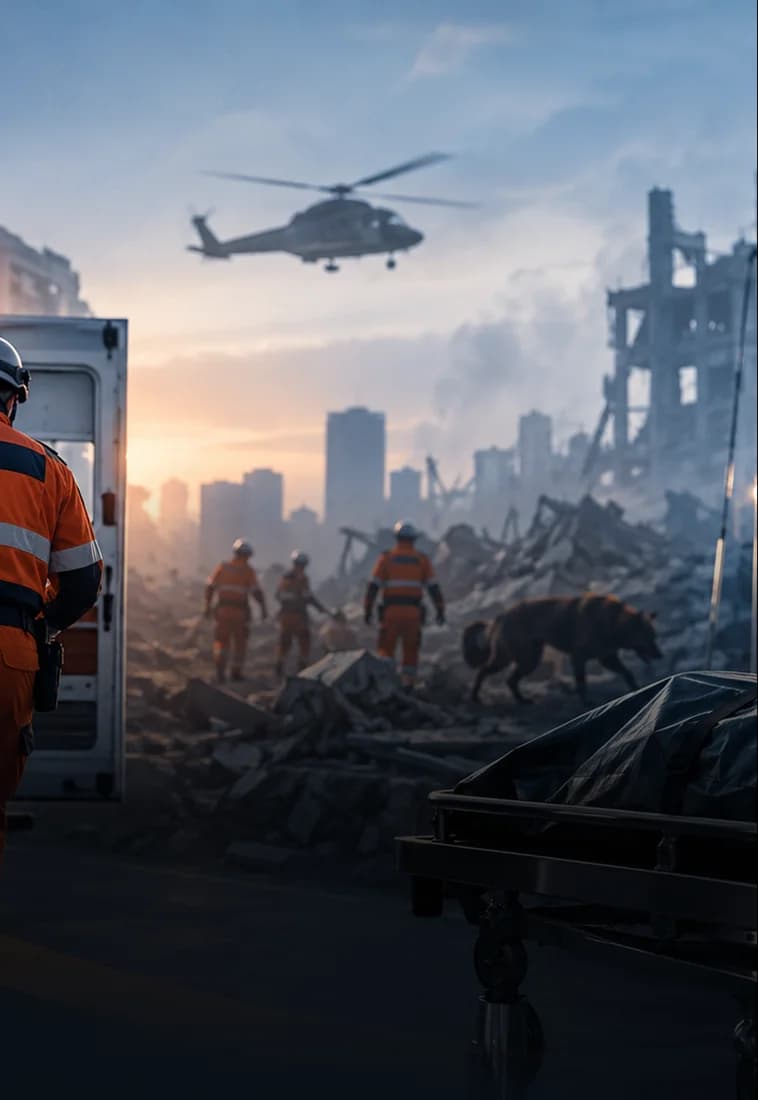
Emergency & Disaster
Response, DVI, mass-fatality management and family assistance
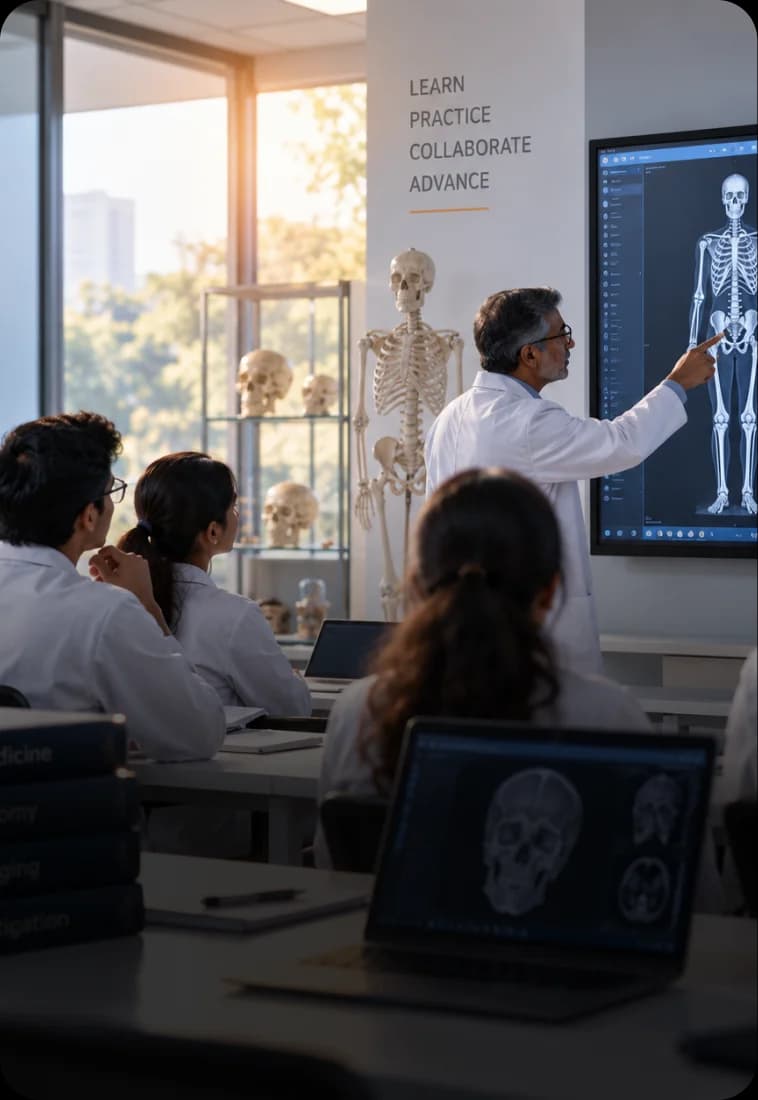
Education
Training, workshops and capability development
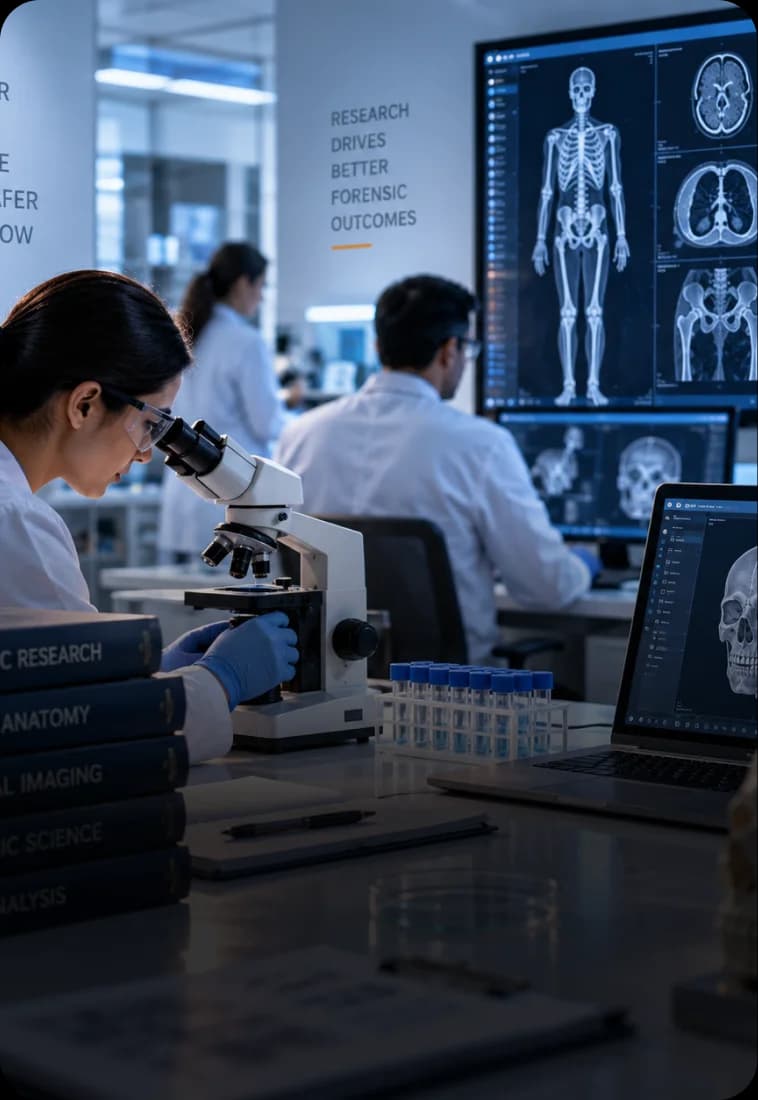
Research
Tools and technology for advancing forensic knowledge
Examination
Virtual Autopsy, imaging and digital forensic workflows
Crime Scene
Investigation tools, equipment and forensic science requirements
Mortuary
Infrastructure, systems and deceased management
Emergency & Disaster
Response, DVI, mass-fatality management and family assistance
Education
Training, workshops and capability development
Research
Tools and technology for advancing forensic knowledge
Frequently Asked Questions Forensic Education, Training & Research
Strengthen Your Forensic Capabilities
Talk to SEVA about your Virtual Autopsy, forensic investigation, equipment or institutional requirements.
TALK TO OUR TEAM