
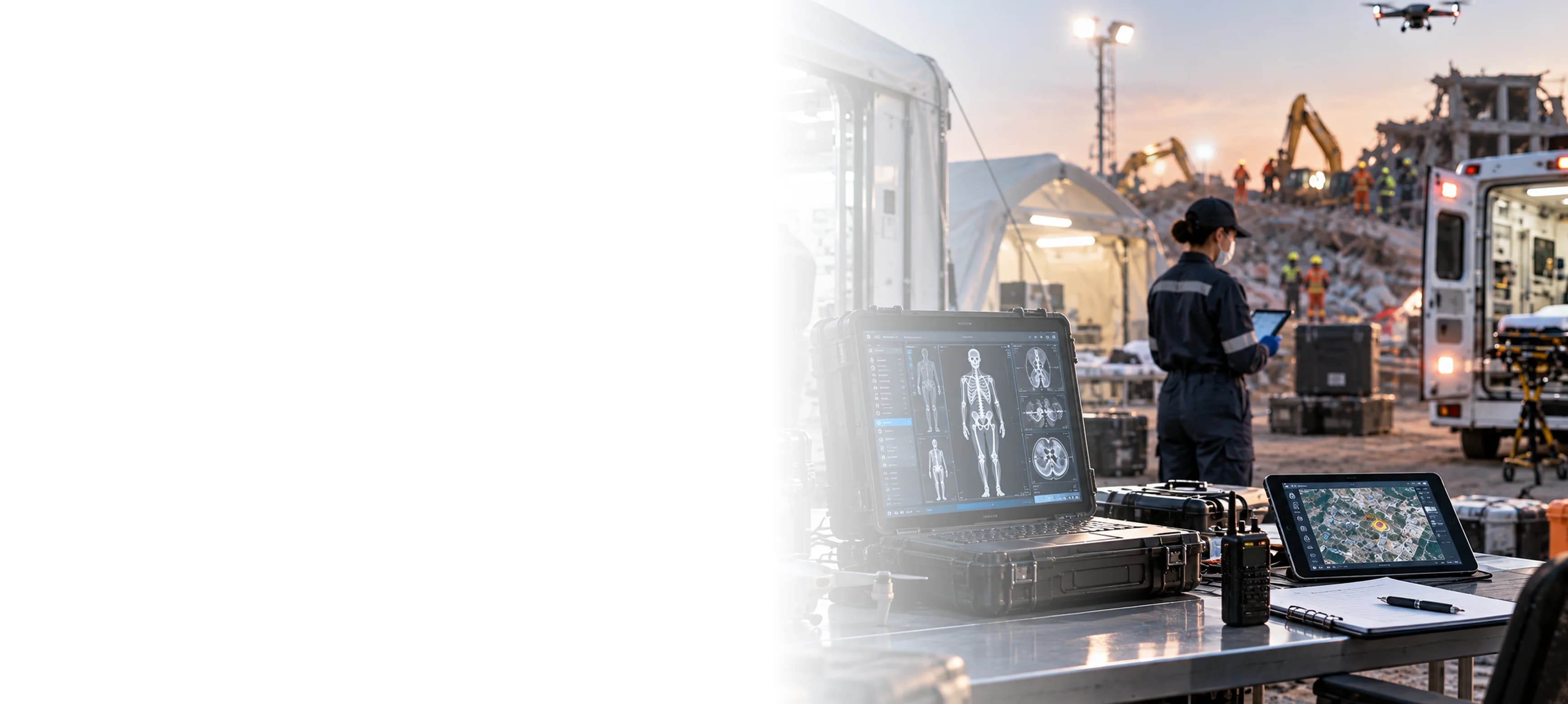
Technology and Systems for Emergency and Disaster Management.
SEVA supports institutions with coordinated disaster management solutions for emergency response, large-scale incidents, Disaster Victim Identification (DVI), mass-fatality management and family assistance.
For organisations involved in disaster management in India, the challenge is rarely one of response alone. Preparedness, coordination, technology, information and infrastructure all need to work together when an incident occurs.
When a Crisis Involves More Than One Response
Emergencies can quickly become complex. What begins as an immediate response may require coordination across government agencies, healthcare institutions, police, forensic teams, mortuaries and other authorities. In larger incidents, identification of victims, management of the deceased and communication with families may all need to happen alongside the continuing emergency response.
SEVA's Emergency & Disaster Management offering brings these requirements together, helping institutions prepare for and manage different aspects of a coordinated disaster management and response environment.
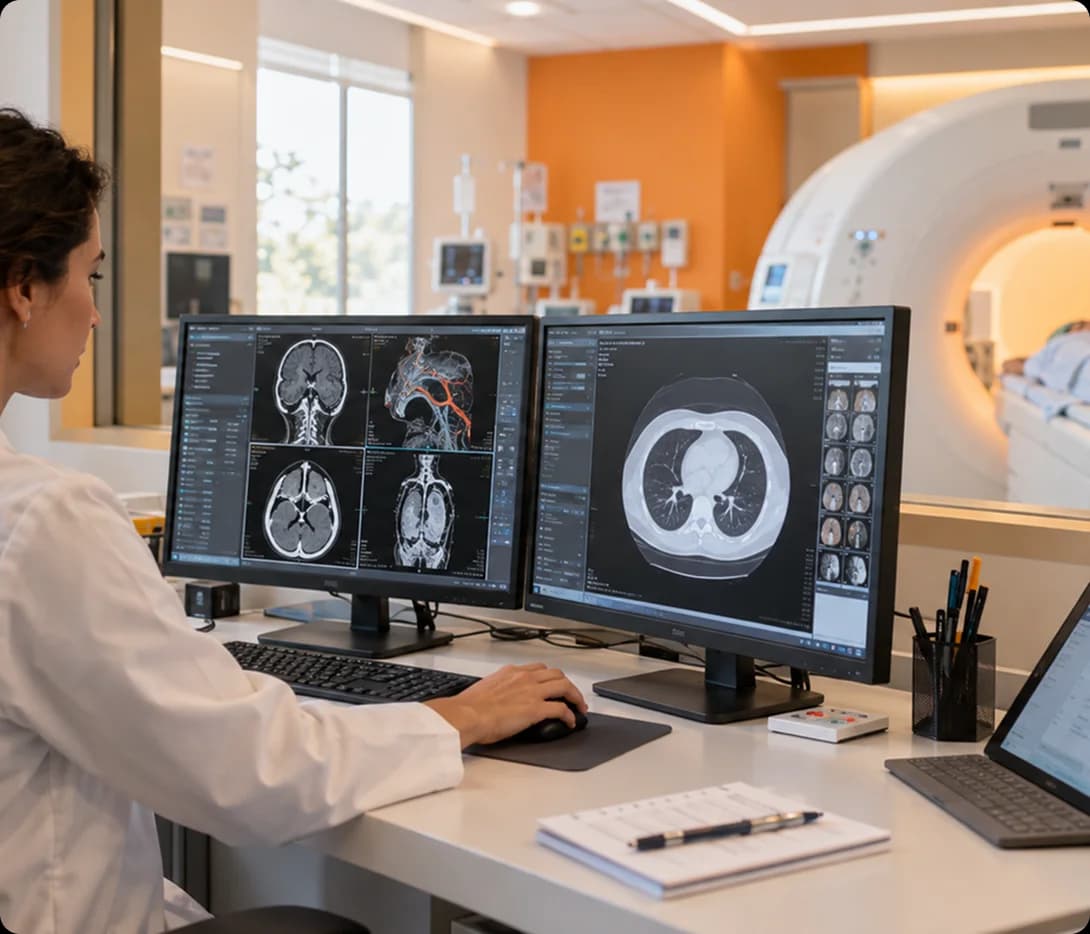
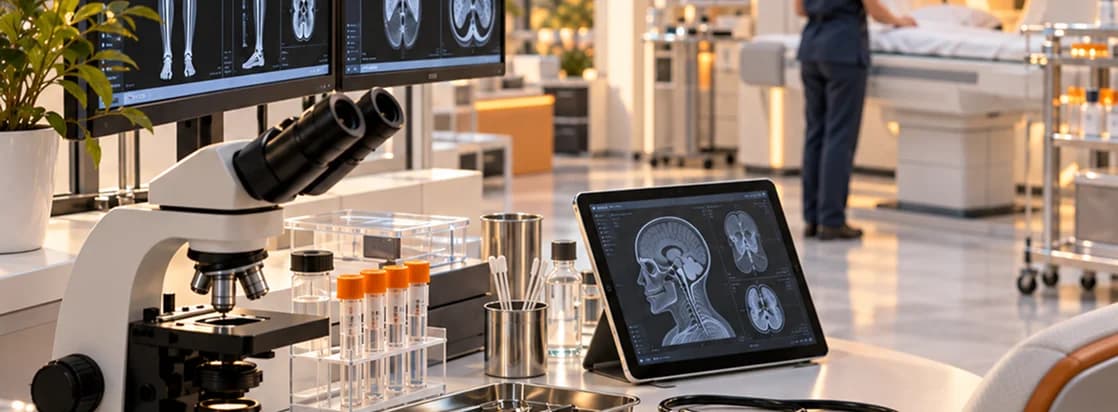
Emergency Response Management
Supporting a Coordinated Response When Time Matters
Emergency situations can involve multiple teams working under pressure, often with information coming from different sources. SEVA provides technology and systems that support clearer processes, better access to critical information and greater coordination across the response environment.
The objective is not only to support institutions during an emergency, but also to help establish the systems and preparedness in disaster management required before one occurs.
Disaster Management
Managing Complexity as the Scale of an Incident Grows
Large-scale incidents bring a different level of complexity. Multiple locations, agencies, victims, responders and information flows may need to be managed simultaneously. Processes designed for routine operations can quickly come under pressure. SEVA supports institutions with disaster management solutions that help organise critical workflows, connect different areas of response and maintain greater visibility as an incident develops.
Emergency & Disaster Response
The nature and scale of an incident determine what kind of response is required. While some emergencies demand immediate coordination between teams and facilities, larger disasters can involve multiple agencies, locations and response activities operating at the same time.
SEVA supports both environments through emergency response technology and systems designed around preparedness, coordination and information flow.
When an Incident Involves Loss of Life
A major disaster can create responsibilities that extend well beyond the immediate emergency response. Victims may need to be identified. The deceased may need to be recovered, documented, examined, stored and eventually released. Families may be waiting for information about someone who is missing or deceased.
These responsibilities involve different teams and processes, but they are closely connected. SEVA supports institutions across three critical areas of this response.
Disaster Victim Identification (DVI)
Bringing Structure to the Identification Process
Disaster Victim Identification is the systematic process used to establish the identity of people who have died following a disaster or mass-fatality incident. Identification may require information to be collected, documented, compared and managed systematically across different stages of the process.
SEVA supports technology-enabled workflows that help teams organise identification data, maintain documentation and coordinate information between the professionals and agencies involved. SEVA's wider forensic capabilities can also support examination and documentation requirements where relevant.
Mass-Fatality Management
Managing the Deceased Beyond Routine Capacity
Mass-fatality management can place exceptional pressure on existing forensic and mortuary infrastructure. Authorities may need to manage recovery, temporary holding, identification, examination, documentation, storage and eventual release of the deceased at a scale far beyond normal operations.
SEVA brings together relevant forensic, mortuary and operational capabilities to support a more organised approach to mass-fatality management, with an emphasis on traceability, coordination and dignity throughout the process. Where existing mortuary capacity is insufficient, the response may also require additional or temporary mass casualty mortuary capability to support the safe storage and management of the deceased.
Family Assistance in Disaster Management
Helping Authorities Manage Information With Sensitivity
For families, a disaster is deeply personal. While response teams manage the incident, families may be waiting for information about someone who is missing, injured or deceased. Information needs to be collected carefully, verified and connected with the wider identification process.
Family assistance in disaster management can involve gathering and managing information from affected families and connecting it with identification and response processes. SEVA supports processes and systems that help institutions manage family-related information and connect it with the broader response and identification workflow.
This can help authorities communicate more systematically while treating affected families with the sensitivity the situation demands.
Preparedness Starts Before the Incident
The middle of an emergency is not the time to discover gaps in systems, infrastructure or processes. Preparedness means understanding responsibilities in advance, establishing workflows, preparing teams and ensuring that the required technology and infrastructure can work together when needed.
SEVA works with institutions to understand these requirements and strengthen their preparedness for emergency and disaster situations.
One Incident. Connected Responsibilities.
Emergency and disaster response rarely follows a neat sequence. Emergency teams may still be responding while forensic teams begin identification. Temporary mortuary capacity may be required while examinations are underway. Information may be arriving from families while authorities are documenting victims. Each function has its own responsibilities. But the information, people and decisions involved often intersect.
SEVA therefore looks at emergency and disaster management as a connected response environment rather than a collection of standalone activities.

Emergency Response
Immediate response and coordination
Disaster Management
Management of larger and multi-agency incidents
Disaster Victim Identification
Identification and documentation
Mass-Fatality Management
Identification and documentation
Family Assistance
Information management and communication with affected families
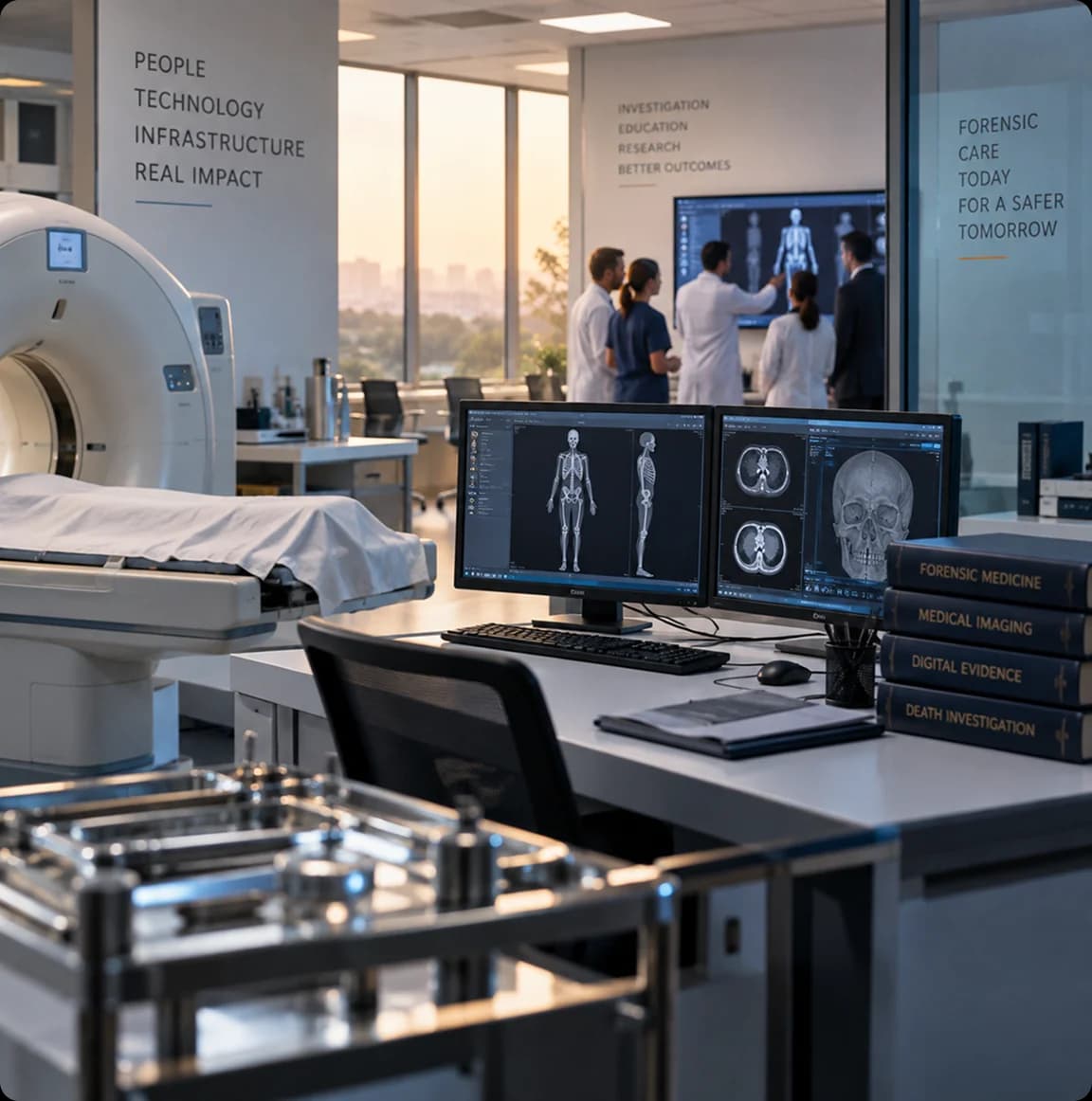
Connected to SEVA's Wider Capabilities
Emergency and disaster management does not always operate independently of other forensic and institutional requirements. A mass-fatality incident may require additional mortuary capacity. Disaster Victim Identification may involve forensic examination and documentation. Response teams may require specialised training before an incident occurs.
SEVA's wider capabilities across Virtual Autopsy, Mortuary & Deceased Management, and Education & Research allow these requirements to be considered as part of the larger response environment.
Who We Work With
SEVA's Emergency & Disaster Management solutions are relevant to organisations responsible for preparedness, emergency response, investigation and management during critical incidents.
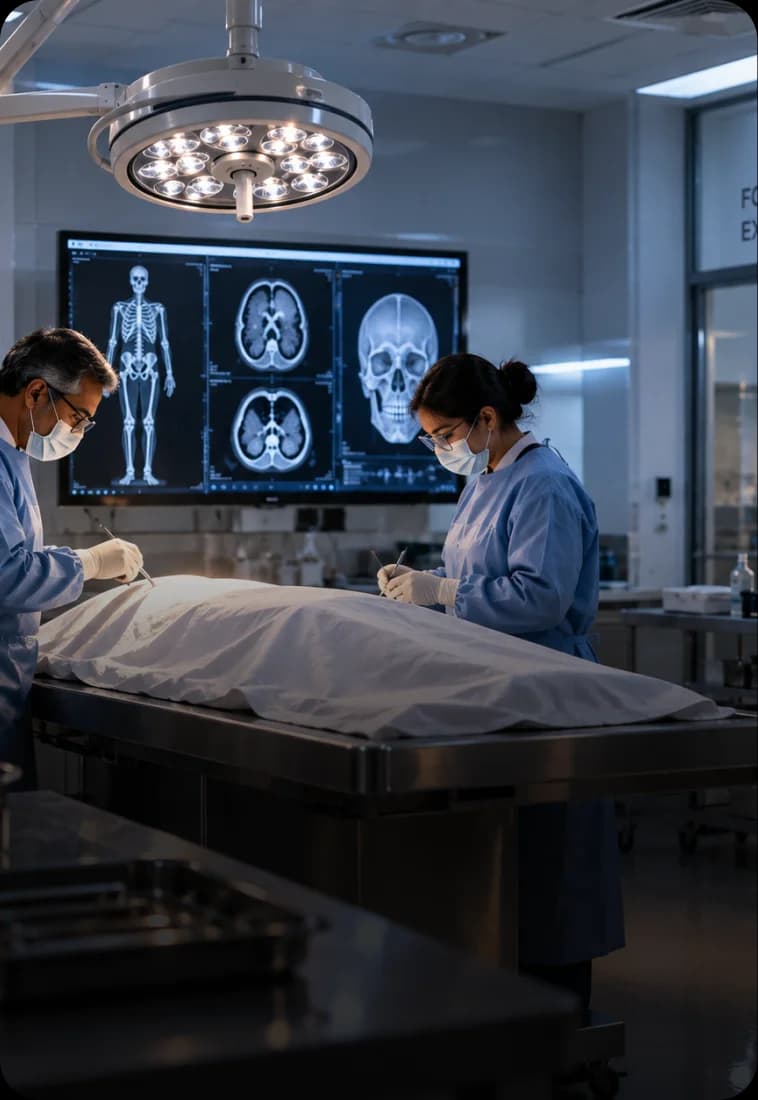
Examination
Virtual Autopsy, imaging and digital forensic workflows
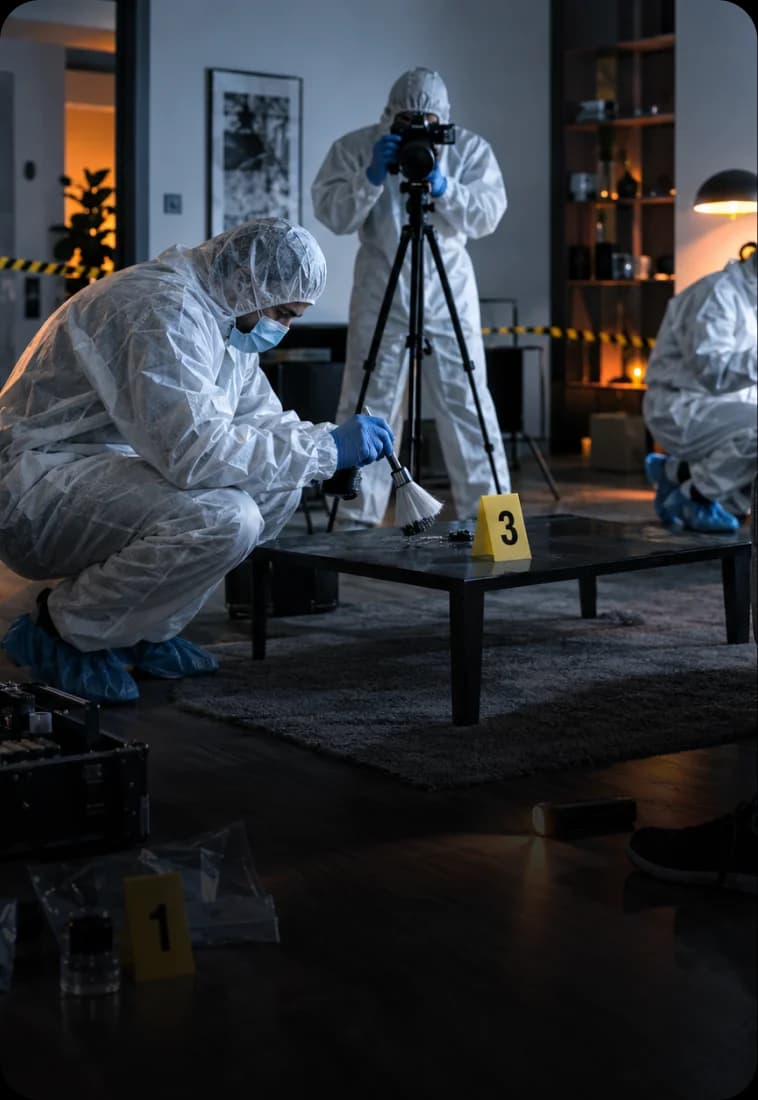
Crime Scene
Investigation tools, equipment and forensic science requirements
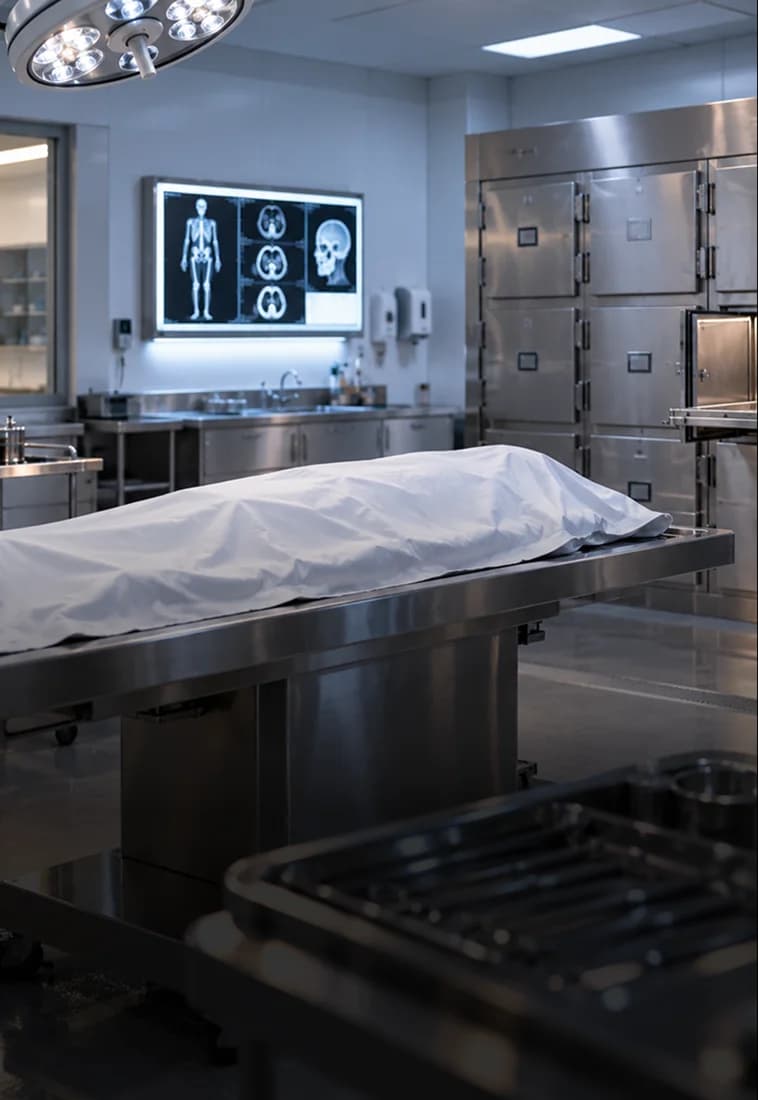
Mortuary
Infrastructure, systems and deceased management
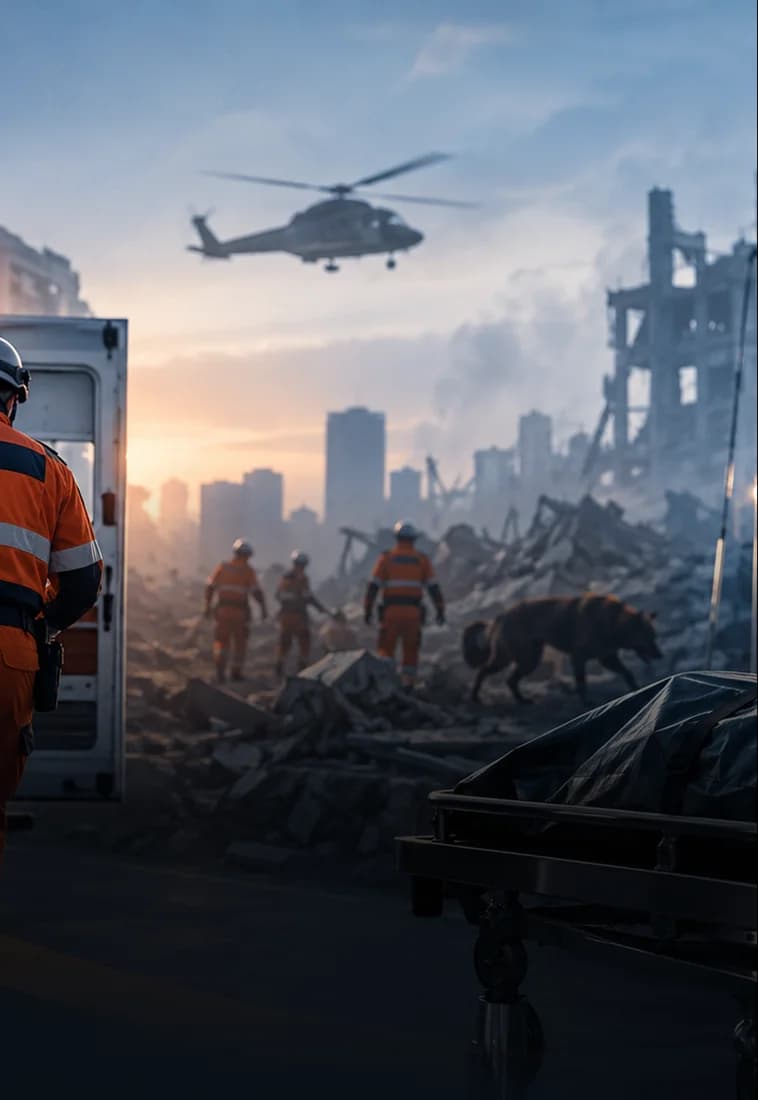
Emergency & Disaster
Response, DVI, mass-fatality management and family assistance
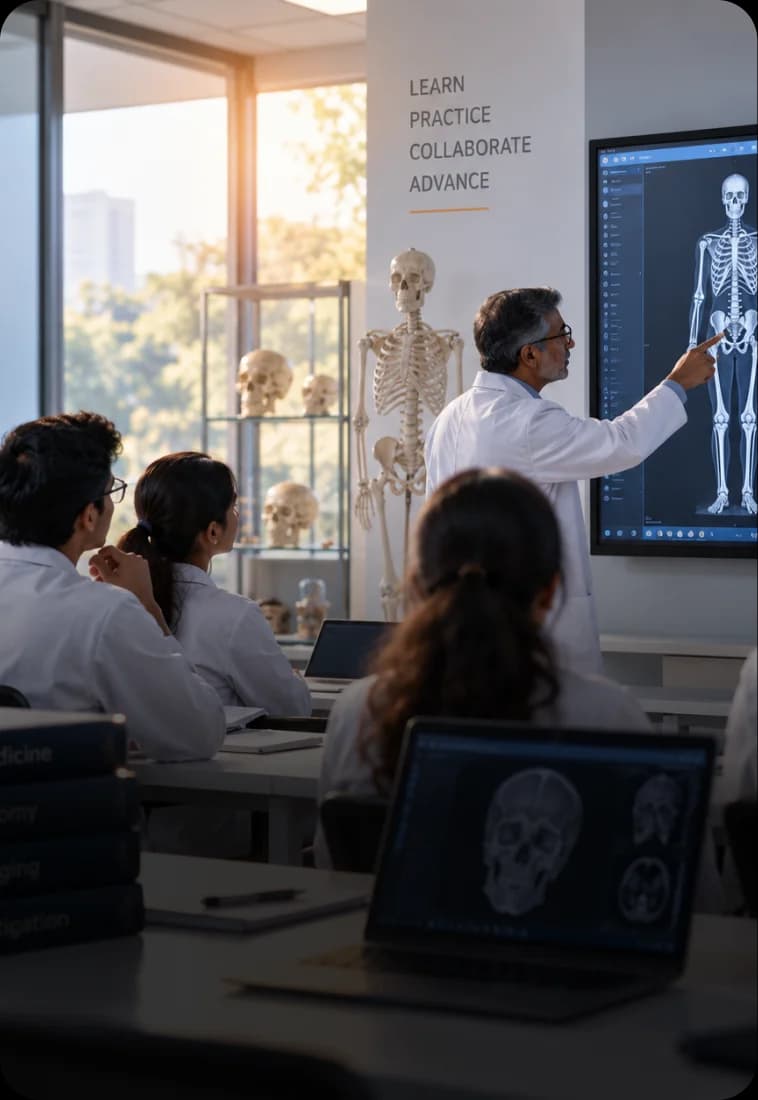
Education
Training, workshops and capability development
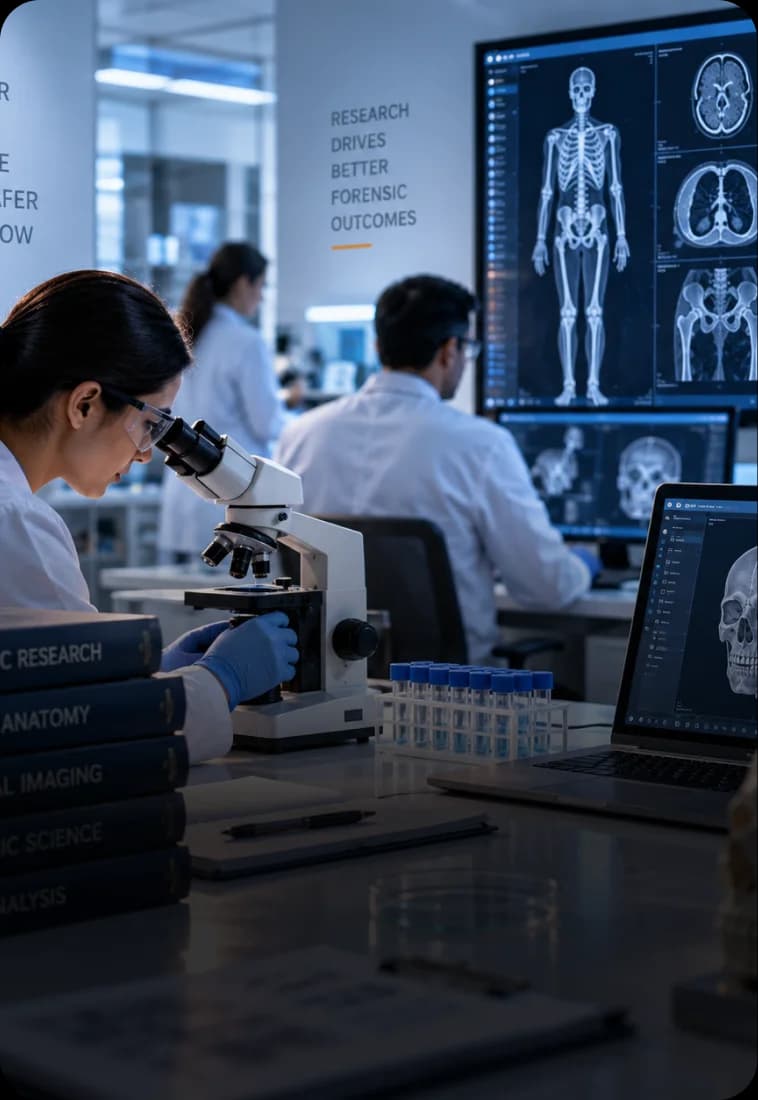
Research
Tools and technology for advancing forensic knowledge
Examination
Virtual Autopsy, imaging and digital forensic workflows
Crime Scene
Investigation tools, equipment and forensic science requirements
Mortuary
Infrastructure, systems and deceased management
Emergency & Disaster
Response, DVI, mass-fatality management and family assistance
Education
Training, workshops and capability development
Research
Tools and technology for advancing forensic knowledge
Frequently Asked Questions Emergency & Disaster Management
Prepare for the Response Before It Is Needed.
Talk to SEVA about your emergency response, disaster management, DVI, mass-fatality management or family assistance requirements.
TALK TO OUR TEAM